




Common Challenges in Seattle Educational Building Systems Construction
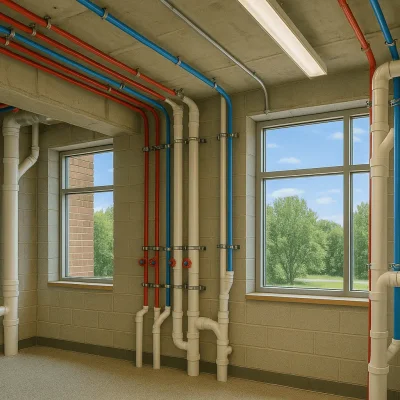
Educational building systems construction in Seattle faces unique challenges due to the city\'s diverse climate, aging school infrastructure, and evolving educational standards. Professional craftsmen in Seattle must address several common malfunctions that can affect school buildings and their integrated systems.
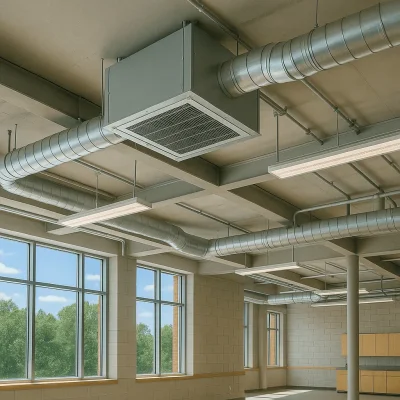
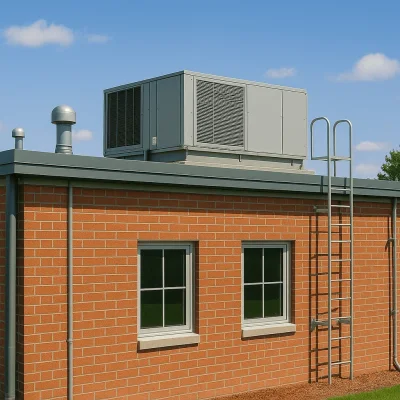
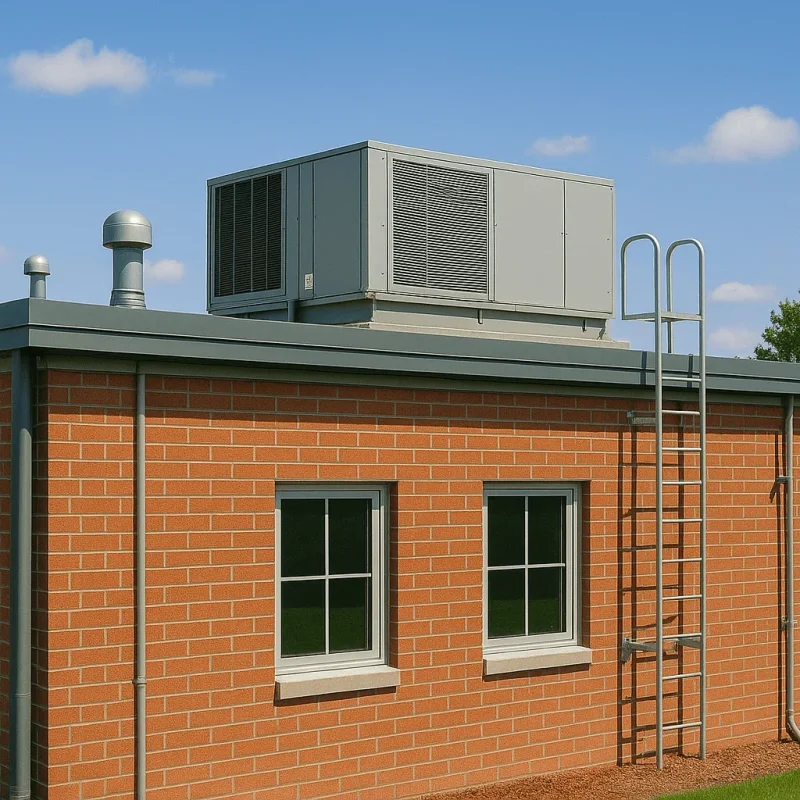
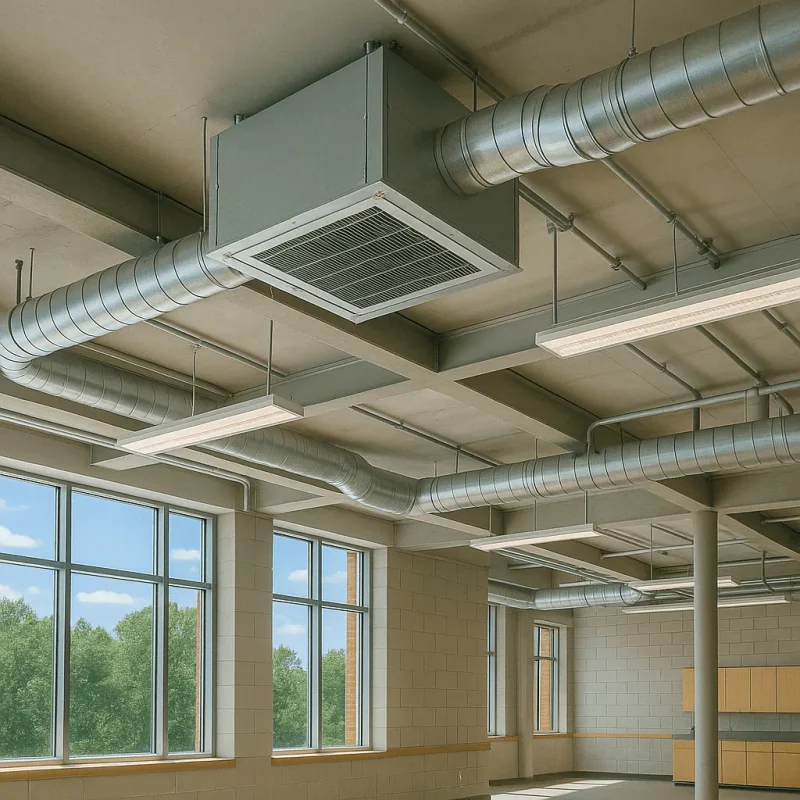
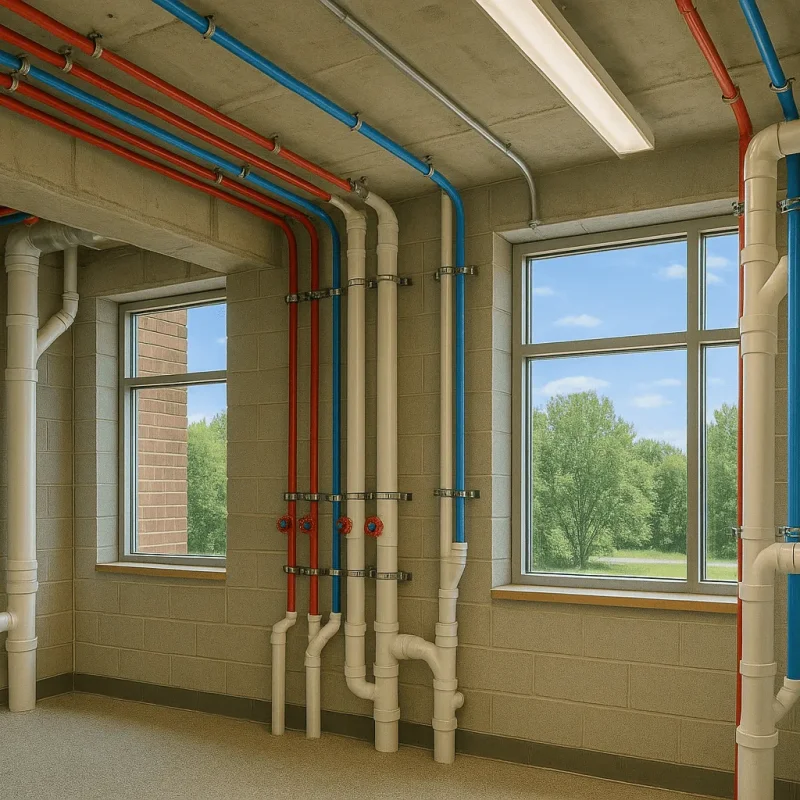
- Outdated HVAC Systems: Many Seattle schools have aging heating, ventilation, and air conditioning systems that fail to provide efficient climate control, impacting student comfort and energy costs.
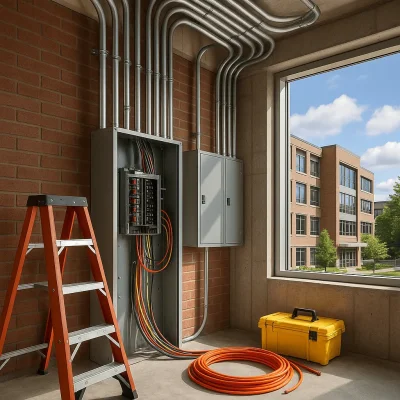
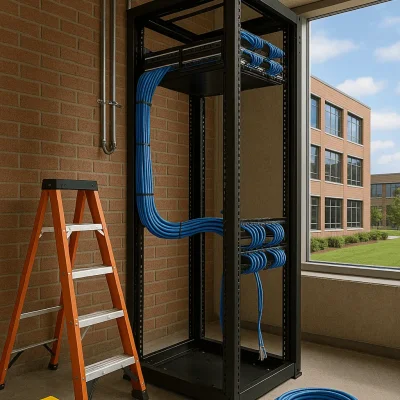
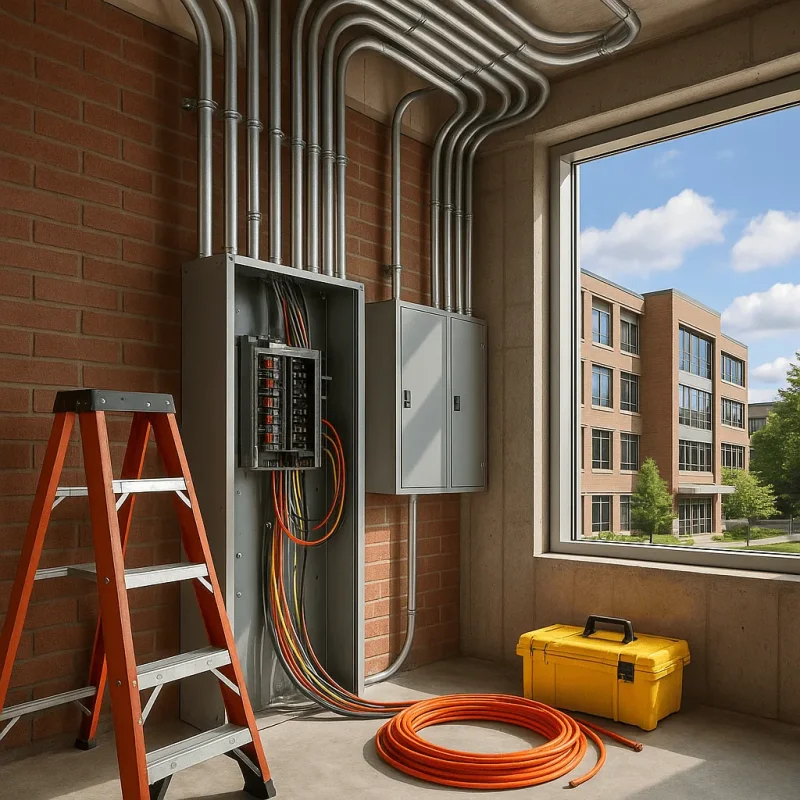
- Electrical System Limitations: Older educational facilities often suffer from insufficient electrical capacity, limiting the integration of modern technology and digital learning tools.
- Structural Wear and Seismic Vulnerability: Seattle\'s seismic activity necessitates robust restoration to ensure buildings meet current safety codes while preserving historic school architecture.
- Poor Acoustic Design: Inadequate soundproofing and outdated classroom acoustics can hinder learning environments in Seattle schools, requiring expert upgrades.
- Inefficient Lighting Systems: The need for natural and artificial lighting that satisfies both energy efficiency standards and educational needs is a frequent issue in Seattle\'s school buildings.
Key Reasons for Repair and Modernization in Seattle Educational Facilities
Renovating and integrating building systems in Seattle\'s educational institutions is driven by multiple factors linked to safety, performance, and compliance.
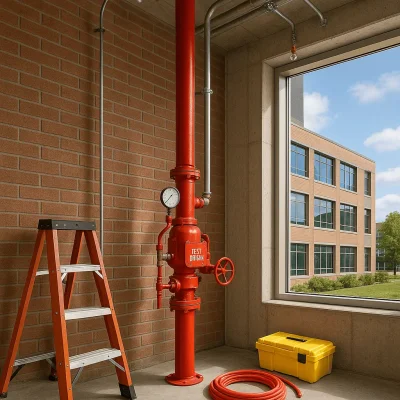
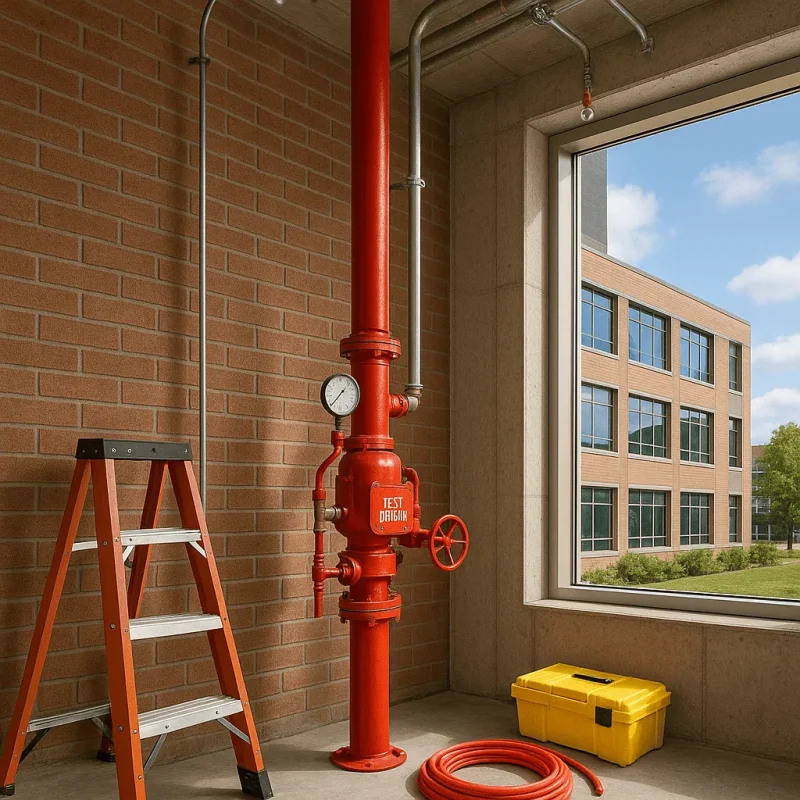
- Compliance with Updated Safety Codes: Washington state mandates regular upgrades to meet current fire safety, seismic resilience, and accessibility standards within school buildings.
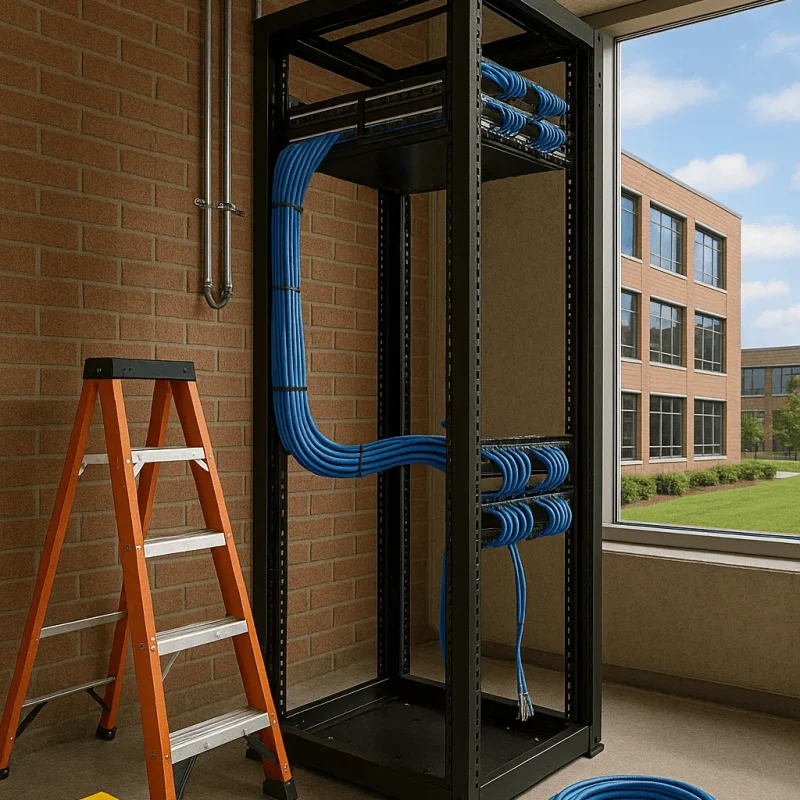
- Technology Integration Demands: The rise in digital learning tools pushes Seattle schools to repair and restore electrical and data infrastructure.
- Energy Efficiency Improvements: Schools aim to reduce operational costs and environmental impact by replacing obsolete mechanical systems with energy-saving alternatives.
- Addressing Wear from Harsh Climate: Seattle’s frequent rainfall and humidity contribute to premature deterioration of exterior materials and internal systems.
- Space Reconfiguration and Capacity Increases: As student populations grow in neighborhoods like Ballard and Capitol Hill, remodeling is required to optimize usable space with modern building systems.
How to Effectively Repair and Integrate Educational Building Systems in Seattle
Successful repair and integration of school building systems in Seattle demands a coordinated approach led by professional craftsmen experienced in educational construction.
- Comprehensive Site Assessment: Begin with a thorough evaluation of existing systems and structural integrity, identifying areas of malfunction or inefficiency.
- Design Collaboration with Educators: Work closely with school administrators and teachers to understand specific functional requirements and priorities.
- Permit Acquisition: Obtain necessary permits from Seattle’s Department of Construction and Inspections, ensuring compliance with local regulations and codes.
- Phased Implementation: Plan repairs and installations during off-peak times such as summer breaks to minimize classroom disruption.
- System Testing and Commissioning: Rigorously test integrated systems for performance and safety before final commissioning.
Remodelling Cost Considerations for Seattle Educational Building Systems
The cost of educational building systems construction and integration in Seattle varies based on several factors, reflecting the complexity and scope of the project.
- Building Size and Age: Older institutions require more extensive restoration, impacting labor and materials costs.
- Technological Upgrades: Incorporating advanced communication and digital learning systems influences overall expenses.
- Permitting and Inspections: Compliance with Seattle\'s regulatory environment involves costs tied to securing permits and passing inspections.
- Materials and Equipment: Selecting high-efficiency mechanical and electrical components suitable for Seattle\'s climate affects pricing.
- Labor from Skilled Professional Craftsmen: The level of expertise necessary to handle specialized educational systems integration contributes to investment needs.
Overall, remodelling costs encompass design, permits, materials, labor, and quality assurance ensuring a sustainable and efficient educational environment.
Prevention and Maintenance Tips for Long-lasting Educational Building Systems in Seattle
Proactive maintenance is essential to extend the life and efficiency of school building systems across Seattle neighborhoods such as Fremont and University District.
- Regular HVAC Inspections: Schedule seasonal checks and filter replacements to optimize air quality and energy use.
- Electrical System Monitoring: Conduct periodic testing of wiring and circuit breakers to prevent outages and hazards.
- Moisture Control Strategies: Implement dehumidification and waterproofing techniques to combat Seattle’s damp climate effects.
- Acoustic System Calibration: Maintain soundproofing measures to ensure optimal classroom environments.
- Scheduled Lighting Upgrades: Replace outdated bulbs with energy-efficient LED solutions for cost savings and better illumination.
Pioneer Remodel offers tailored maintenance programs ensuring Seattle educational facilities remain functional, safe, and modern year-round.
Conclusion
Collaborating with experienced local professionals like Pioneer Remodel ensures educational building systems in Seattle are expertly constructed, seamlessly integrated, and sustainably maintained to foster optimal learning spaces.