



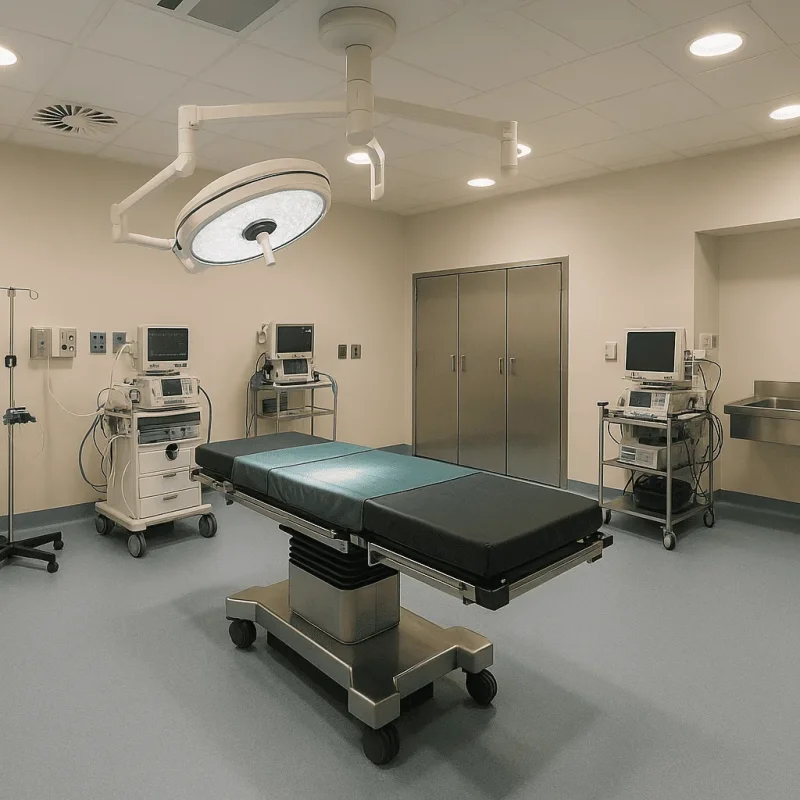
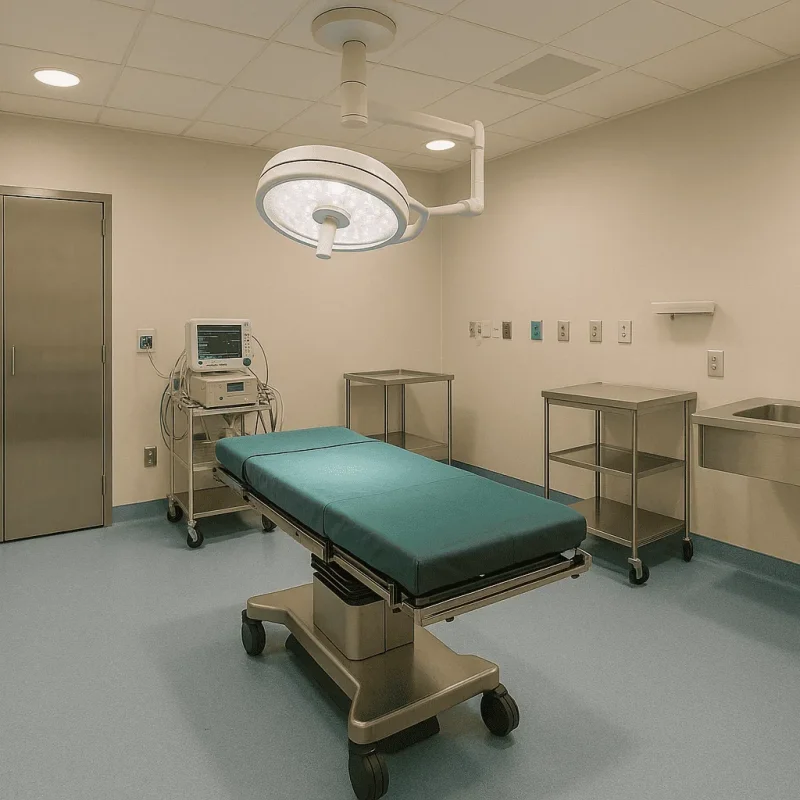
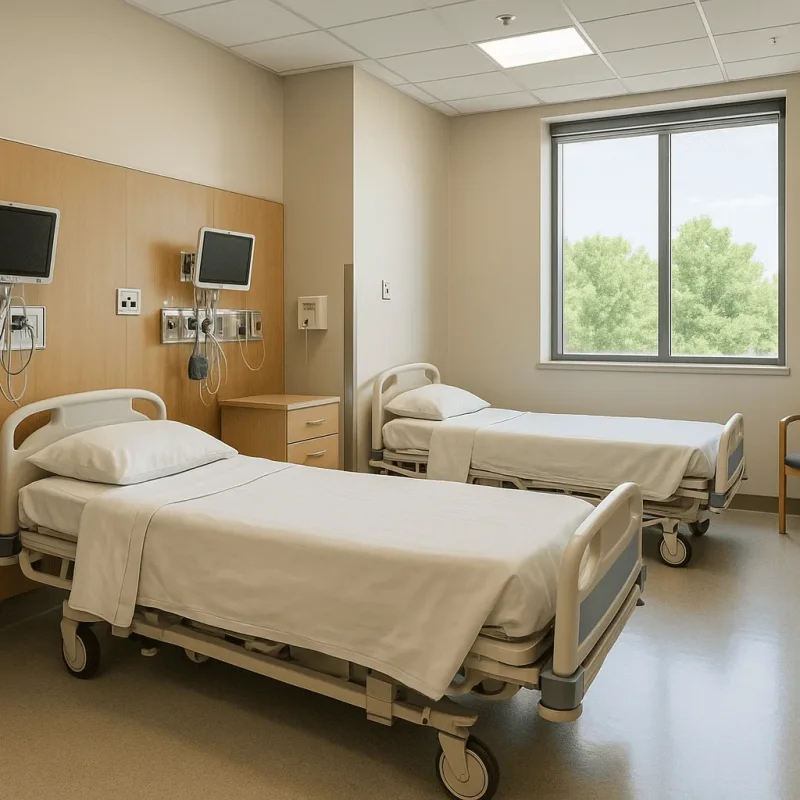
Sterilization Area Construction and Remodeling in Tacoma, WA
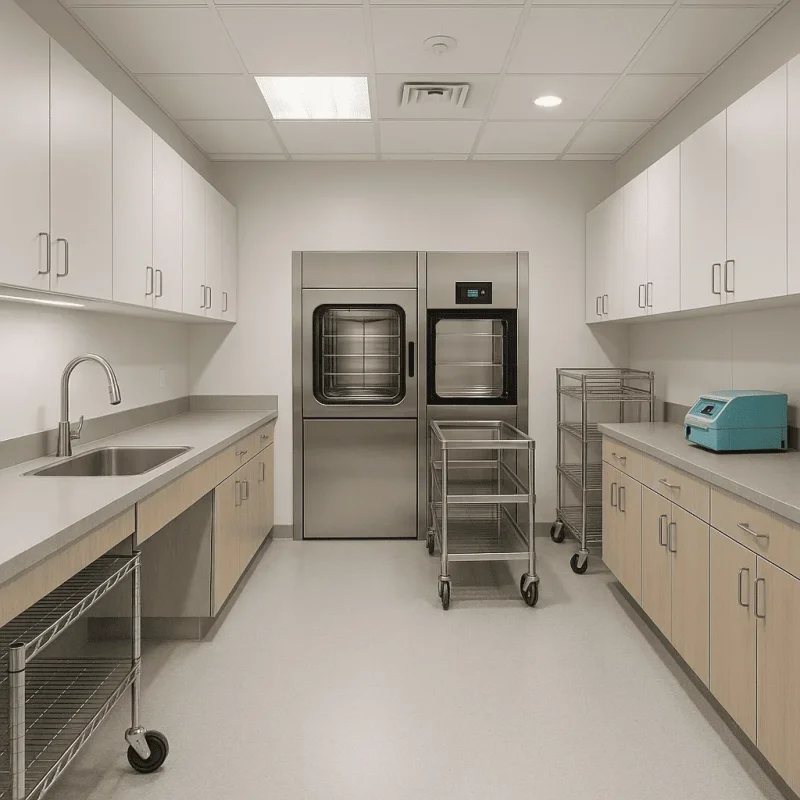
As the demand for increased sanitation and safety in various sectors continues to grow, the construction and remodeling of sterilization areas have become a crucial focus for healthcare facilities, laboratories, and food production companies in Tacoma, Washington. Building or renovating these specialized spaces requires meticulous planning, adherence to regulations, and a thorough understanding of both contemporary practices and local requirements.
The Importance of Specialized Sterilization Areas
In Tacoma, where older buildings often house medical and research facilities approaching the latest industry standards, it is essential to create sterilization areas that meet strict hygiene and safety protocols. These areas are pivotal for preventing contamination and ensuring the safety of both staff and clients. By utilizing state-of-the-art construction techniques and materials, companies can ensure that the sterilization areas operate effectively within the confines of existing facilities and comply with local health regulations.
Understanding the Construction and Remodeling Process
The process of constructing or remodeling a sterilization area begins with detailed planning. This includes assessing the available space, determining the appropriate equipment needed, and developing a comprehensive design that aligns with local regulations specific to Tacoma. Key steps in this process include:
- Site Assessment: Evaluating the current infrastructure and determining the best location for the sterilization area.
- Design Development: Creating plans that prioritize functionality, flow, and compliance with applicable health codes.
- Material Selection: Choosing durable, easy-to-clean materials that withstand frequent use and rigorous sterilization processes.
- Permitting: Navigating local building codes and acquiring necessary permits to ensure that the project is compliant with Tacoma’s regulations.
- Construction: Carrying out the project while maintaining an open line of communication with stakeholders to ensure that timelines and quality are upheld.
Challenges Specific to Tacoma’s Environment
When planning for sterilization area construction in Tacoma, it is essential to recognize common challenges. Many facilities are located within older buildings that may require significant adjustments to accommodate modern standards. The following aspects can pose difficulties:
- Infrastructure Limitations: Older buildings may have outdated plumbing or electrical systems that may need upgrading to support new sterilization equipment.
- Space Constraints: Urban settings in Tacoma may limit available space, necessitating innovative designs that optimize efficiency while adhering to safety standards.
- Regulatory Compliance: Understanding and meeting the complex array of local and state health regulations can be daunting and may require ongoing consultation with experts.
What to Expect During and After Construction
Clients embarking on a sterilization area remodel can expect a thorough consultation process, continuous updates during construction, and a commitment to completing the project on time and within budget. After the remodel is completed, facilities should anticipate a significant improvement in operational efficiency and compliance. Training staff on the new systems and processes will also be an important consideration. Following these upgrades, regular evaluations and maintenance will be essential to ensure long-term functionality and compliance with health and safety regulations.
Conclusion
Constructing or remodeling sterilization areas in Tacoma requires expert knowledge of both construction practices and health regulations. With dedicated professionals in the field, Tacoma can ensure that these critical spaces not only meet current standards but also support the safety and efficiency of operations in healthcare, research, and food safety industries. As health and safety become ever more paramount, investing in proper sterilization facilities will certainly yield lasting benefits for organizations throughout the region.