


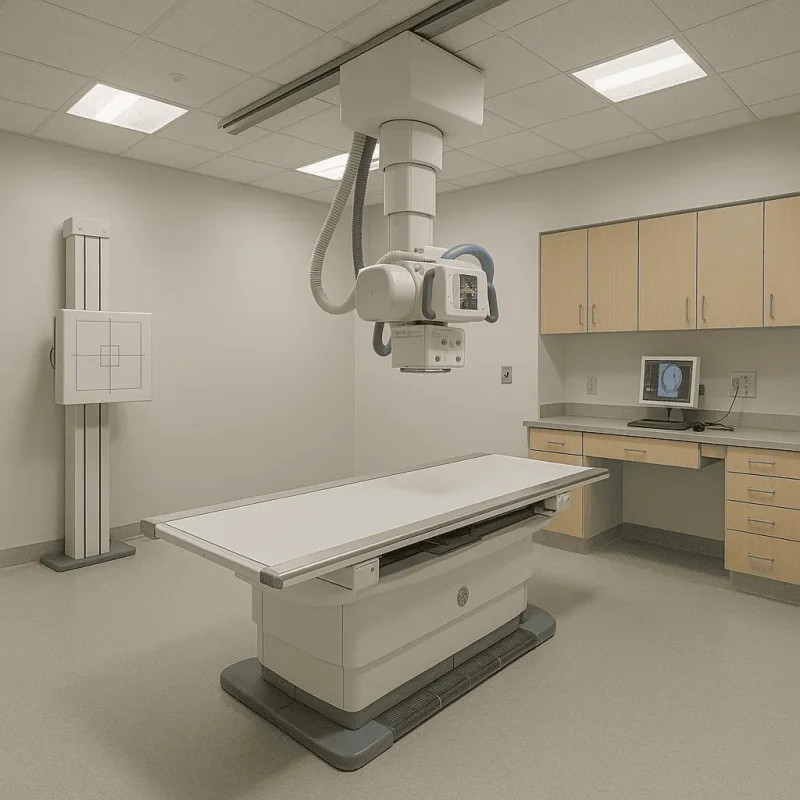
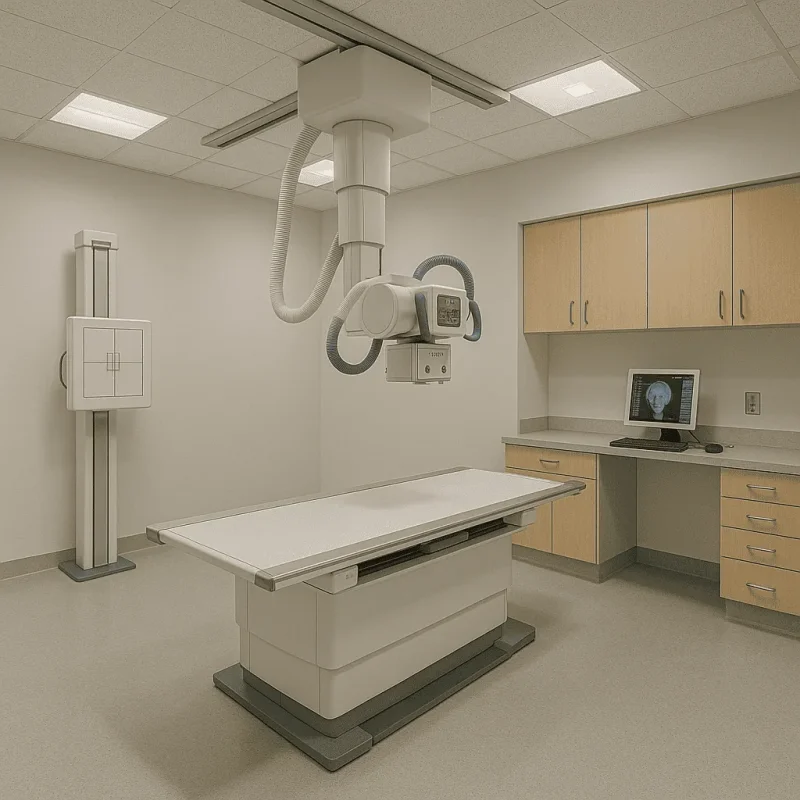
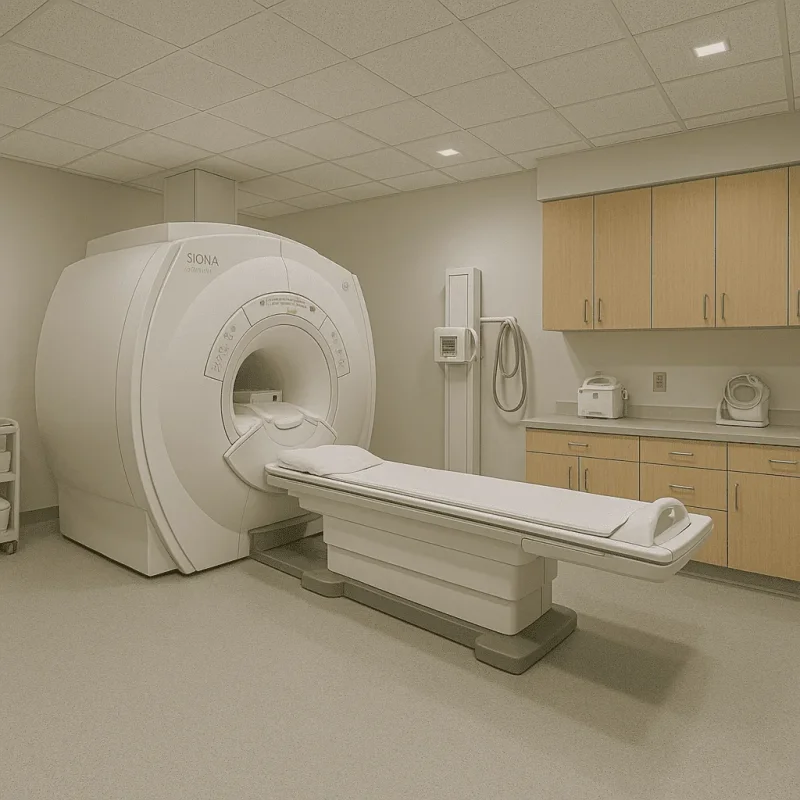
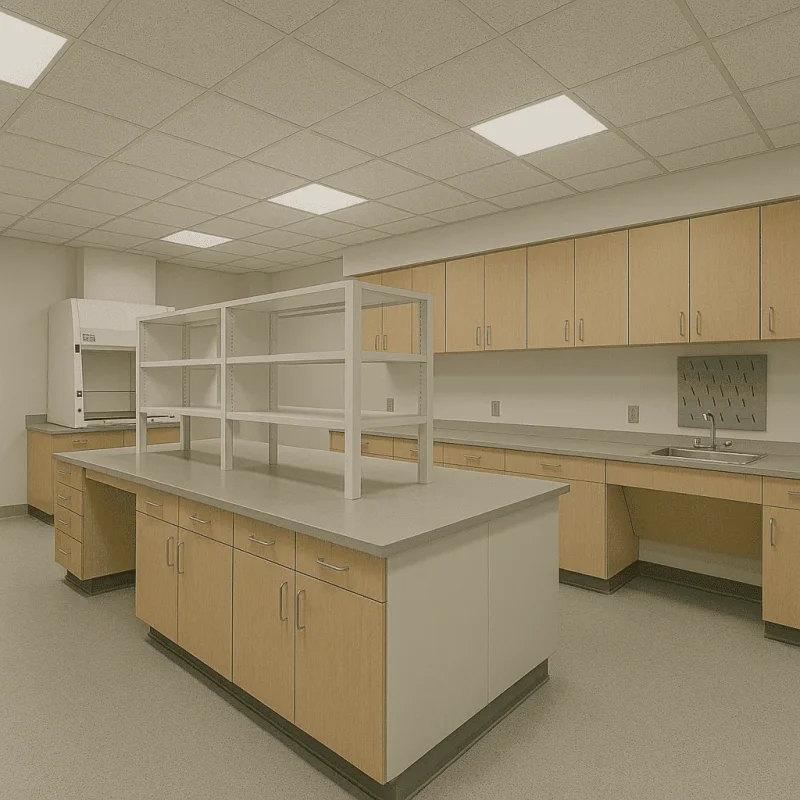
Imaging Room Construction in Tacoma, WA
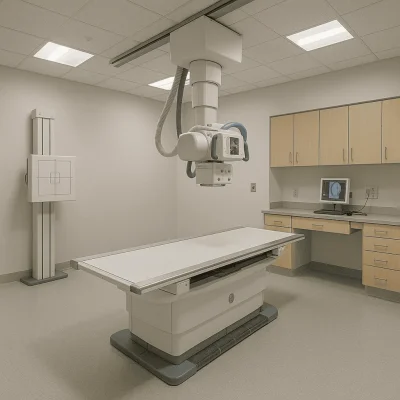
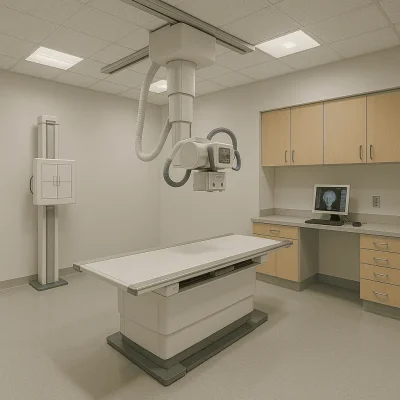
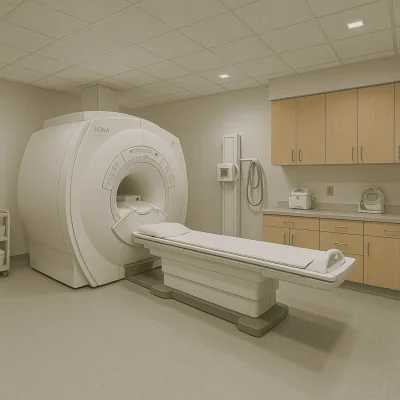
When it comes to building an imaging room, professionals in Tacoma, Washington, demand precision, safety, and compliance with all relevant healthcare regulations. Imaging rooms are essential in hospitals, clinics, and specialized healthcare facilities, catering to technologies such as MRI, CT, and X-ray. These rooms must be constructed with meticulous attention to both structural and technological details, ensuring optimal functionality while adhering to state and federal standards.
The Construction Process
The construction of an imaging room involves several key steps that must be carefully planned and executed to meet the specific demands of medical imaging. Initially, a comprehensive assessment is needed to determine the space requirements based on the type of imaging equipment and the facility's needs. This is followed by detailing the design, which takes into account acoustic and electromagnetic shielding necessary for specific imaging modalities. In Tacoma, this could involve consideration of local zoning laws and building codes.
Once the design is finalized, the next phase is the preparation of the site, including any necessary structural reinforcement to support heavy equipment. Professional contractors will work closely with engineers and architects to ensure that all elements from wall construction to electrical systems meet stringent safety and performance standards. Effective collaboration with local authorities is also critical in securing the necessary permits.
Benefits of Professional Imaging Room Construction
Investing in a professionally built imaging room brings numerous advantages. Some of the key benefits include:
- Compliance with healthcare regulations, ensuring safety and legal operation within Tacoma.
- Optimized design facilitating efficient workflow, crucial in fast-paced healthcare environments.
- Improved patient experience through a well-designed and secure environment.
- Enhanced equipment performance achieved through proper installation and shielding.
Patients and staff alike benefit from a space designed to minimize noise and maximize comfort, essential for procedures that can induce anxiety or discomfort. Additionally, a well-constructed imaging room can contribute to the longevity and reliability of expensive imaging technology.
Common Challenges in Tacoma
Constructing an imaging room in Tacoma presents unique challenges that must be addressed properly. One critical factor is navigating the regulatory environment—medical facilities must comply with various health codes and the standards set by the Joint Commission and the American College of Radiology. Tacoma’s local building codes may impose additional requirements to ensure the construction meets all health and safety criteria.
Additionally, older buildings in districts like North End and South Tacoma may present structural limitations that require specialized solutions. Engaging with experienced contractors familiar with regional building characteristics will aid in addressing these challenges effectively. The construction process may also be impacted by site conditions or pre-existing electrical systems that need upgrading to accommodate high-powered imaging equipment.
What to Expect from Your Construction Project
Timelines for imaging room projects can vary widely depending on the complexity of the build, availability of materials, and adherence to local regulations. Generally, projects may take anywhere from a few weeks to several months. Customers can expect a thorough consultation process aimed at understanding their specific needs and challenges. Open communication is paramount throughout the construction phase to ensure all parties are aligned and any unforeseen issues can be promptly addressed.
Ultimately, investing in expertly constructed imaging rooms not only aligns with Tacoma's commitment to providing top-notch healthcare but also enhances the functionality of medical facilities. With the right expertise, planning, and execution, healthcare providers can ensure they are ready to meet the demands of patient care while staying compliant with local and national standards.