


University Library Construction in Tacoma, WA
Building a university library is a significant undertaking that requires a specialized understanding of design, construction, and functionality. In Tacoma, Washington, the need for modern, accessible, and technologically equipped libraries is more pronounced than ever, as educational institutions strive to support their mission of providing knowledge and resources to students and the community. Whether you are redeveloping an existing facility or constructing a new space from the ground up, knowledge about the construction process, local regulations, and community needs is crucial.
Understanding the Construction Process
The construction process for a university library follows a unique set of stages that ensure the project meets the educational objectives and safety standards. Typically, this process begins with careful planning and consultation with stakeholders, including university administrators, faculty, students, and local community members. This phase involves determining the architectural style, layout, and functional requirements of the library.
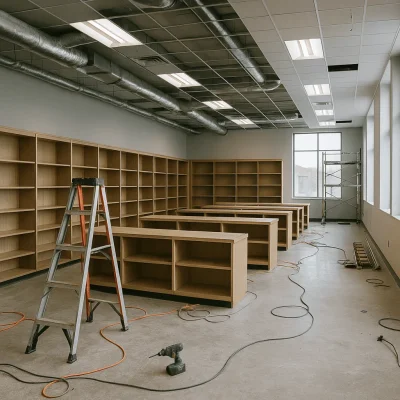
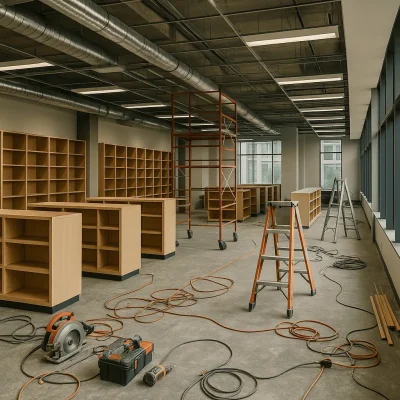
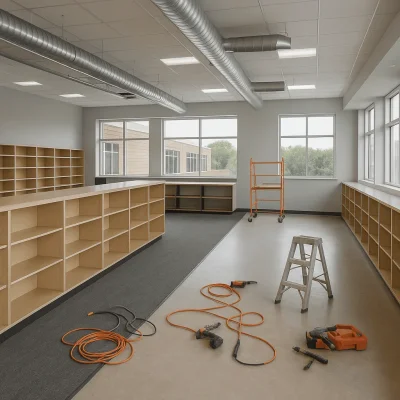
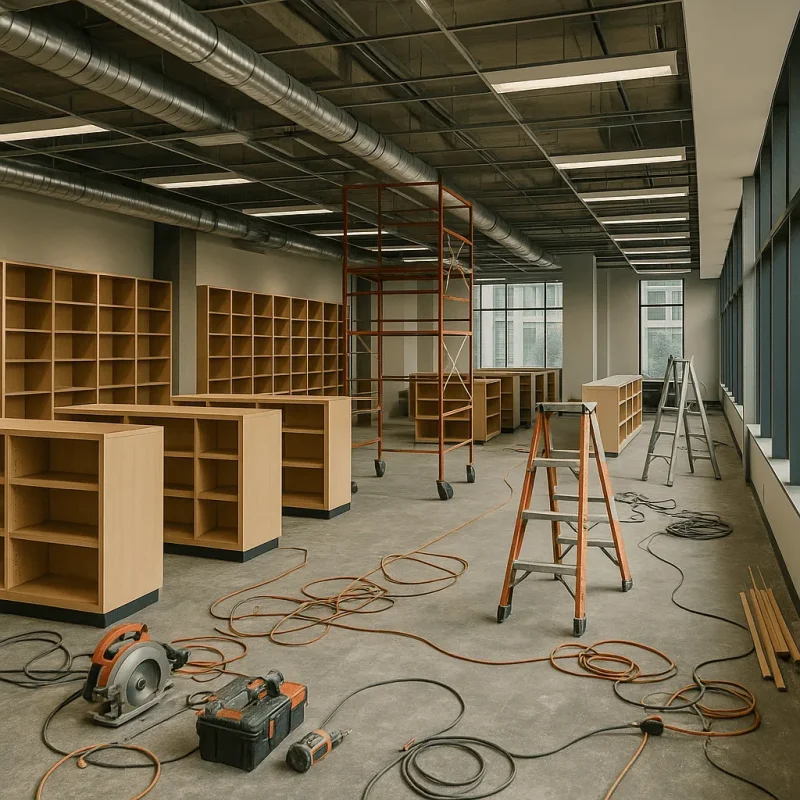
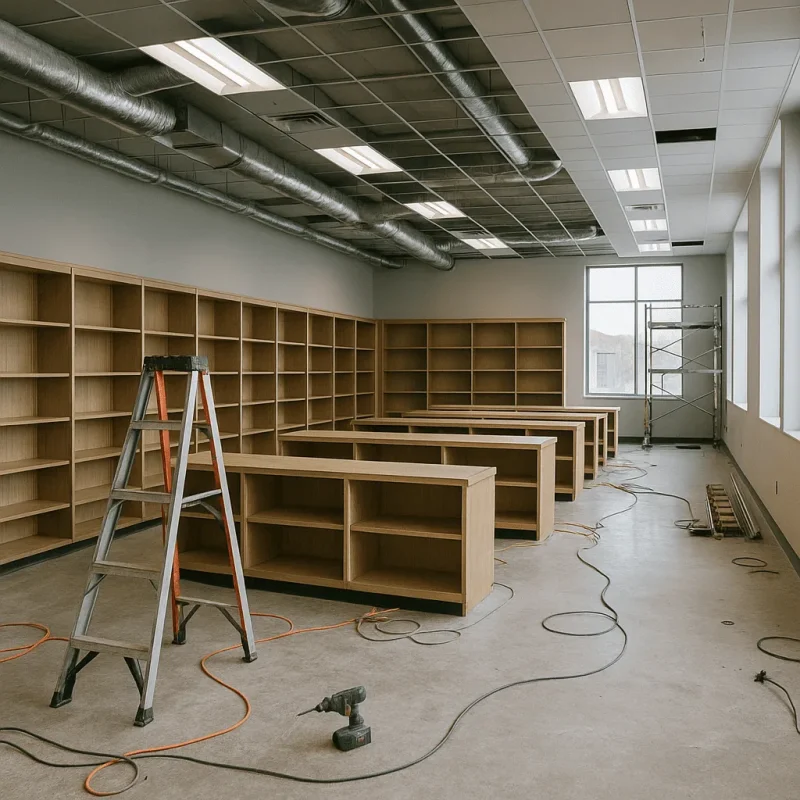
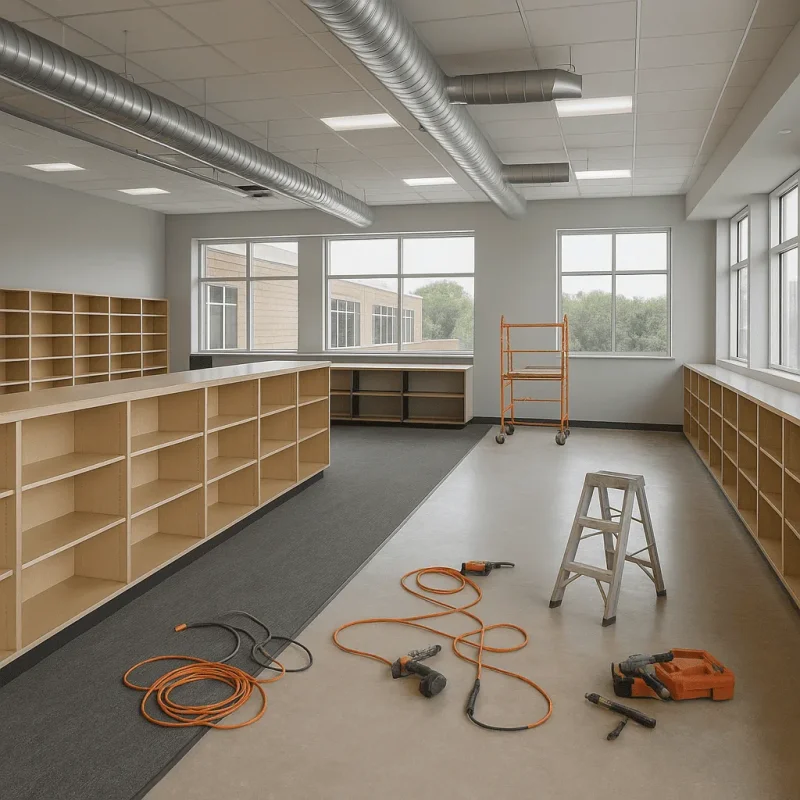
Once planning and designs are finalized, obtaining the necessary permits is the next critical step. In Tacoma, building regulations may vary, and understanding local zoning laws and building codes is essential to avoid any delays or legal hurdles. After permits are secured, the construction begins—featuring various phases such as site preparation, foundation work, structural framing, and interior finishing. Throughout this process, selecting appropriate materials that align with sustainability standards often plays a pivotal role, considering Tacoma's commitment to environmentally responsible practices.
Benefits of a Well-Designed University Library
A university library serves as a vital hub for research, collaboration, and study, making its design and construction paramount to student success. Some benefits of investing in a well-rounded library construction project in Tacoma include:
- Enhanced Accessibility: Modern libraries are designed to be inclusive, allowing equal access for all users, including those with disabilities.
- Multi-Functional Spaces: Well-designed libraries incorporate diverse spaces such as study alcoves, collaborative work areas, and multimedia labs, catering to varying academic needs.
- Technological Integration: Incorporating the latest technology and digital resources into library construction enhances learning and research capabilities.
- Community Engagement Opportunities: University libraries can serve as venues for events, workshops, and lectures, fostering stronger community ties.
Challenges in Library Construction
Undertaking library construction in Tacoma can come with its own set of challenges, particularly when addressing the needs of a diverse college population while adhering to local historical preservation guidelines. Some common challenges include:
- Historical Preservation: Many neighborhoods in Tacoma contain historic buildings that may require careful assessment and preservation efforts.
- Budget Constraints: Meeting the expectations of stakeholders while staying within budget can prove challenging, necessitating careful planning and resource allocation.
- Site Selection: Finding a suitable site that is both accessible and conducive to library functions may require creative solutions and thorough research.
What to Expect During Library Construction
Throughout the construction of a university library, clear communication and regular updates between all parties involved are essential to manage expectations and ensure project success. After initial planning and design phases, timelines for completion are set, often ranging between 12 months to several years, depending on the project's complexity. It's also critical to prepare for regular inspections during various construction phases to ensure compliance with local codes and safety regulations.
Moreover, flexible timelines should be anticipated, especially in areas where existing structures are being renovated or repurposed. Engaging with local contractors familiar with Tacoma’s landscape can help mitigate any unforeseen hurdles, leading to a smoother construction process.
Conclusion
Construction of university libraries in Tacoma is a demanding yet rewarding endeavor that plays a vital role in supporting the educational landscape of the region. Understanding the intricacies of the construction process, the benefits of thoughtfully designed spaces, and the challenges unique to Tacoma can significantly enhance the library's effectiveness and relevance. By prioritizing careful planning and collaboration among stakeholders, university library projects can create welcoming and innovative environments that inspire learning and foster community connections.