


Common Challenges in Seattle Emergency Center Construction and Renovation
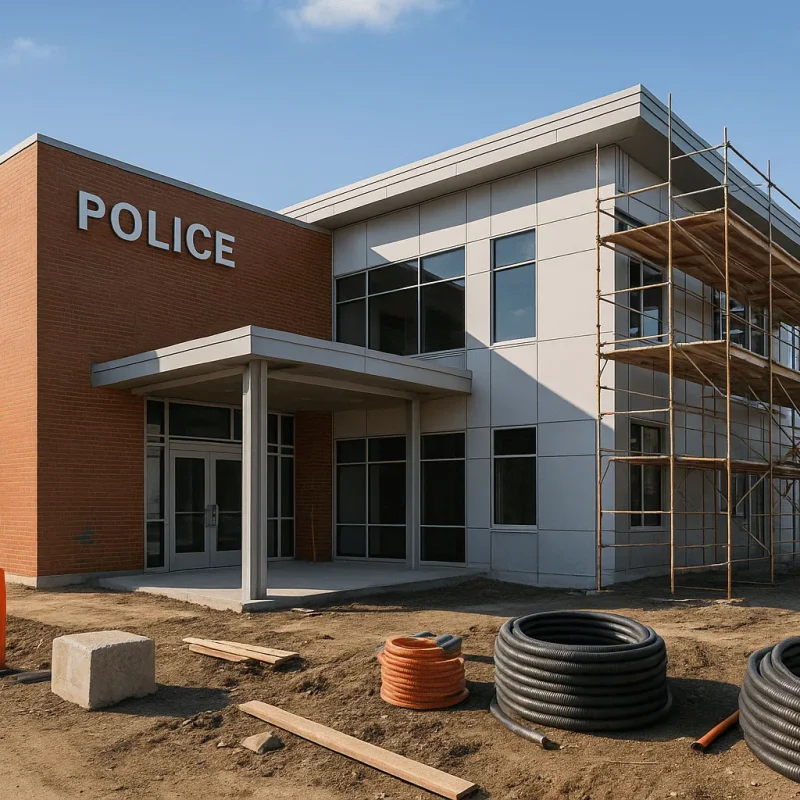
Constructing or renovating emergency centers in Seattle presents unique challenges due to the city's distinct climate, zoning requirements, and existing infrastructure. Understanding these common challenges helps ensure successful project completion by professional craftsmen experienced in the local market. Here are key issues often encountered:
- Strict Building Codes and Permits: Seattle\'s regulations require compliance with rigorous safety standards, seismic resilience, and accessibility guidelines to protect public health.
- Space Constraints in Urban Areas: Emergency centers are frequently located near hospitals or in dense neighborhoods like Capitol Hill or South Lake Union, limiting build-out options.
- Integration with Existing Infrastructure: Older emergency centers necessitate careful restoration to preserve functionality while upgrading systems such as HVAC and medical gas lines.
- Weather-Related Construction Delays: Frequent rain and mild winters impact scheduling and material choice to avoid construction slowdowns.
- Maintaining Operational Continuity: Renovations often require phased work to keep emergency services running 24/7, requiring precise project management.
Primary Reasons for Emergency Center Renovation in Seattle
Healthcare facilities in Seattle continually seek upgrades and repairs to meet patient needs and fast-evolving medical technology. The decision to renovate emergency centers is prompted by several factors, including:
- Obsolete Facility Design: Older centers built decades ago no longer support modern patient flow, infection control, or technology integration.
- Equipment Modernization: Updating electrical and mechanical systems to accommodate advanced diagnostic and treatment devices.
- Regulatory Compliance: Adapting to new healthcare regulations and standards, including seismic retrofitting mandated by Washington State.
- Patient Capacity Expansion: Growing populations in neighborhoods such as Beacon Hill require enhanced space to reduce waiting times.
- Energy Efficiency Goals: Incorporating sustainable building materials and green technologies to reduce operating costs.
How to Successfully Undertake Emergency Center Construction and Renovation in Seattle
Professionally managed construction and repair projects are critical to timely and code-compliant emergency center upgrades. Here is a step-by-step approach for facility managers and stakeholders:
- Engage Experienced Professional Craftsmen: Choose contractors knowledgeable about Seattle\'s specific construction environment and healthcare needs.
- Conduct Thorough Assessments: Evaluate structural integrity, system capabilities, and compliance gaps prior to planning.
- Develop Comprehensive Design and Permit Plans: Collaborate with architects and local authorities to navigate zoning, health codes, and environmental regulations.
- Coordinate Phased Construction: Implement renovations in stages to maintain continuous emergency services and minimize disruption.
- Utilize Quality Materials and Sustainable Practices: Incorporate durable, energy-efficient materials suited for Seattle\'s climate.
- Perform Post-Construction Inspections and Testing: Ensure all systems function properly to meet operational and safety expectations.
Remodelling Cost Considerations for Seattle Emergency Center Projects
Understanding costs is essential for budgeting and planning emergency center renovations or new construction in Seattle. Pricing is influenced by several factors:
- Project Scope and Complexity: Larger scale projects with advanced medical facilities and multiple specialties incur higher costs.
- Labor and Material Costs: Skilled professional craftsmen command competitive wages, and material choices must meet local standards and durability requirements.
- Permit and Inspection Fees: Securing city permits involves application fees and inspections throughout the construction phase.
- Site Conditions: Urban projects often face challenges such as limited space, requiring specialized equipment or construction methods.
- Contingency Allowances: Allowances for unforeseen issues like structural repairs or environmental remediation are necessary.
Typically, the cost includes planning and design, construction labor, materials, permit processing, and final inspections. Transparent budgeting helps guide decision-making and secure project funding.
Prevention and Maintenance Tips for Seattle Emergency Facilities
Once construction or renovation finishes, maintaining the functionality and safety of emergency centers in Seattle requires regular upkeep and proactive measures by facility managers and maintenance teams. Key practices include:
- Routine Structural Inspections: Check for signs of wear, water intrusion, or seismic vulnerabilities frequently, especially after major weather events.
- HVAC and System Maintenance: Schedule regular servicing to optimize air quality and equipment performance tailored to healthcare needs.
- Compliance Monitoring: Keep up-to-date with changing building codes and healthcare regulations to ensure continuous certification.
- Staff Training on Emergency Protocols: Facility personnel should be familiar with systems and safety procedures to respond effectively to incidents.
- Energy Management: Implement systems to monitor and reduce energy consumption, aligning with Seattle’s sustainability goals.
Conclusion
Entrusting your Seattle emergency center construction or renovation to knowledgeable professional craftsmen like Pioneer Remodel ensures compliance, quality, and durability suited for critical healthcare environments.