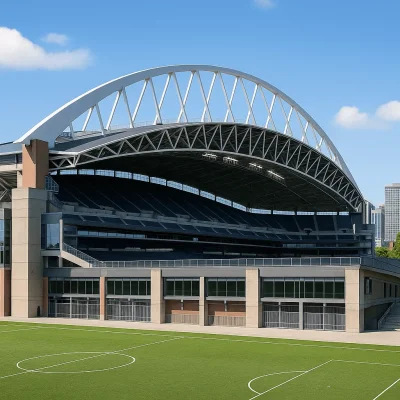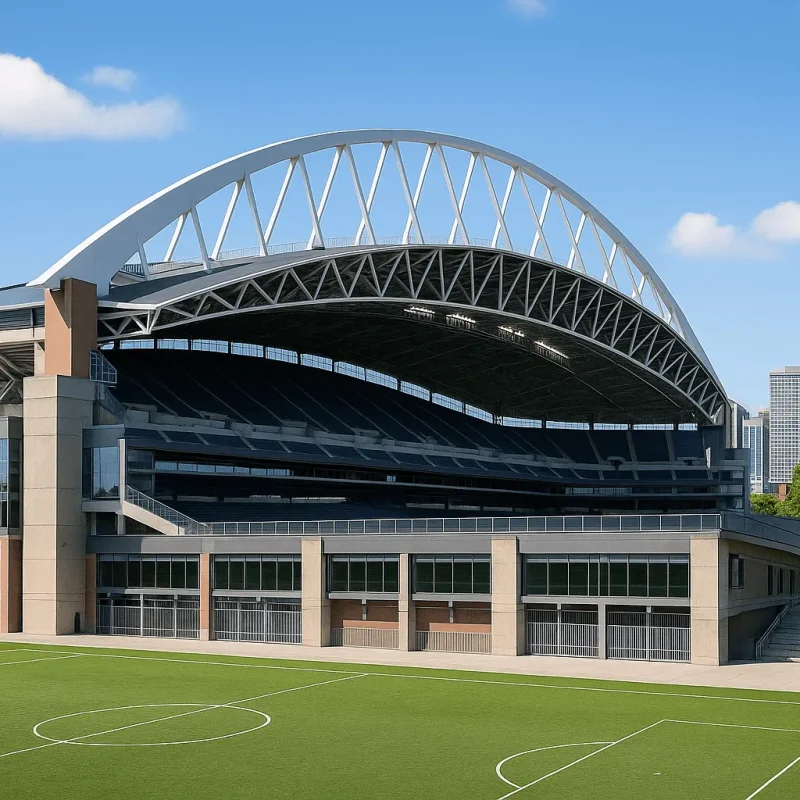
Building Systems for Seattle Sports Facilities
Welcome to our comprehensive guide on building systems tailored for sports facilities in Seattle. The unique requirements of sports venues demand specialized approaches and building systems that prioritize both functionality and safety. From large-scale arenas to community sports centers, the design and construction of these facilities must cater to diverse athletic needs and incorporate state-of-the-art technology. This content will explore key aspects of building systems, challenges faced in Seattle, and considerations for achieving successful sports facility construction.
Understanding Building Systems in Sports Facilities
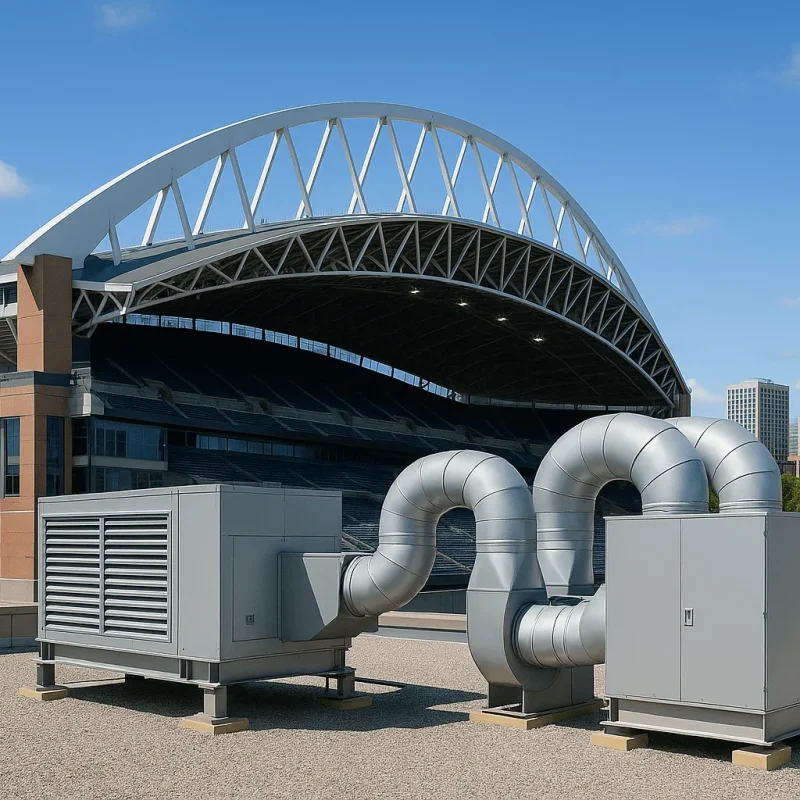
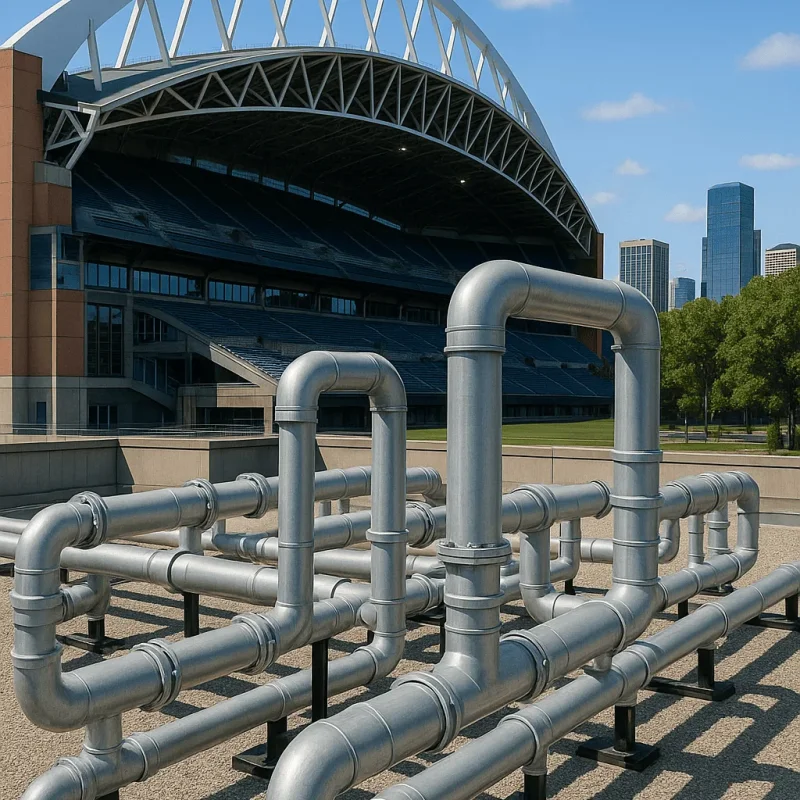
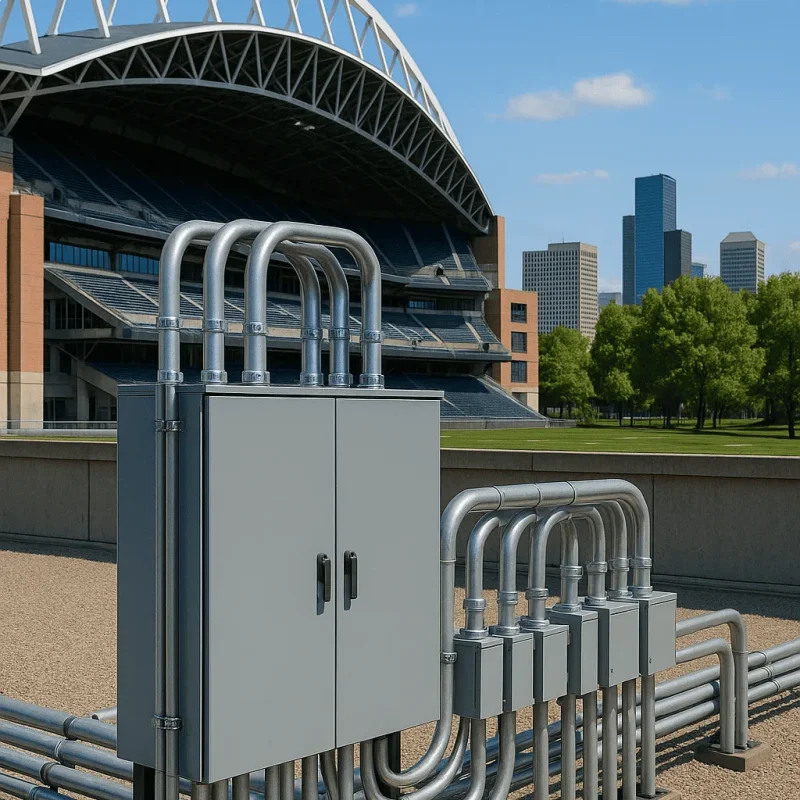
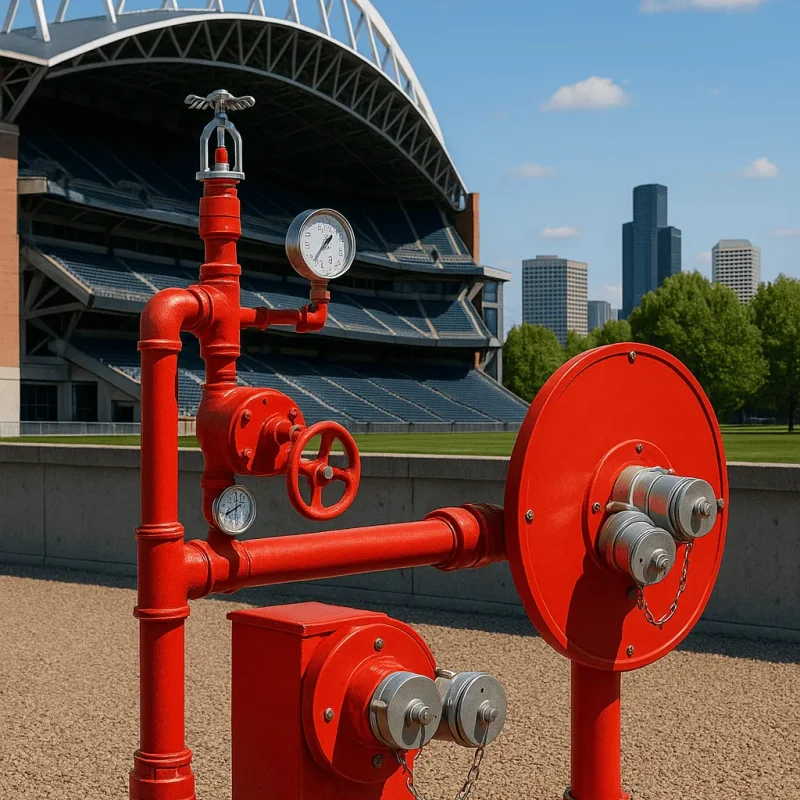
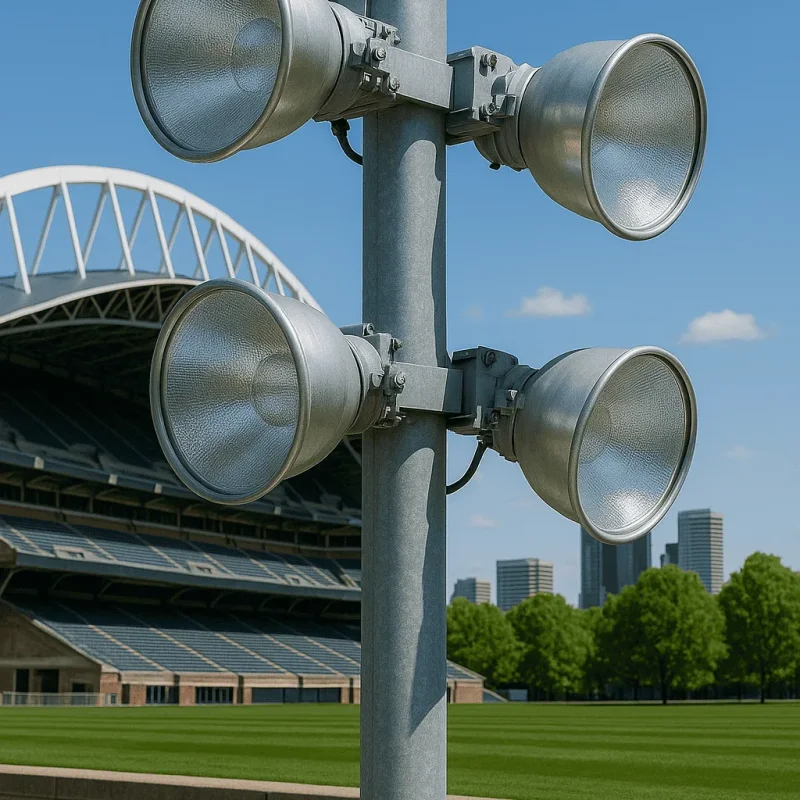
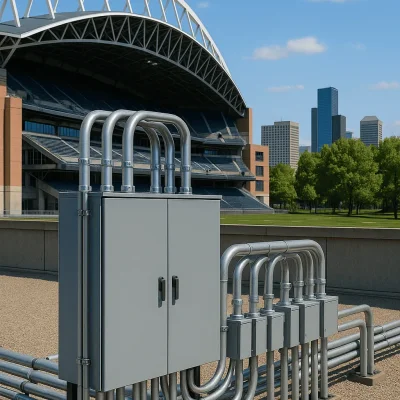
Building systems encompass the various components that work together to create a functional and efficient sports facility. These include structural systems, mechanical systems, electrical systems, and plumbing systems. Each plays a vital role in ensuring a reliable and safe environment for athletes, staff, and spectators. Sports facilities must be designed to accommodate specific activities, ranging from basketball arenas to swimming complexes, and this directly influences the choice of materials and systems.
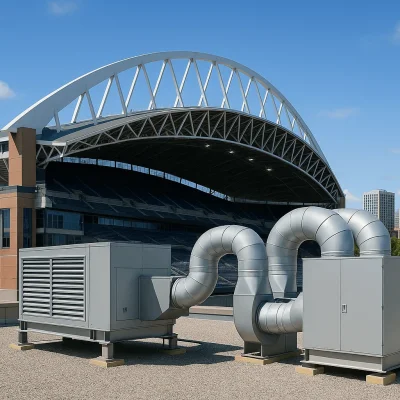
The design of sports facilities in Seattle often incorporates innovations that enhance the experience for users. For example, energy-efficient HVAC systems are essential for maintaining optimal conditions in multi-purpose sports venues. Moreover, the integration of advanced acoustical treatments is crucial for arenas like Climate Pledge Arena to manage sound effectively during major events. Understanding how these systems interact can ensure the successful development and long-term operation of any sports facility.
Challenges and Considerations Specific to Seattle
Building sports facilities in Seattle comes with its own set of challenges. One prominent consideration is compliance with local building codes and regulations. Seattle's Department of Construction and Inspections enforces specific rules that govern everything from occupancy limits to accessibility requirements. It is essential for construction teams to be well-versed in these regulations to avoid costly delays and ensure a smooth permitting process.
Another challenge is the geography and urban density of Seattle. Many sports facilities are constructed in areas that require careful planning to mitigate noise and traffic impact on local neighborhoods. Projects must also account for Seattle's unique infrastructure, which can influence the sourcing of materials and the construction timeline.
Key Benefits of Proper Building Systems in Sports Facilities
Investing in efficient building systems not only enhances the performance and longevity of sports facilities but also provides significant operational advantages. Here are some key benefits to consider:
- Improved Energy Efficiency: State-of-the-art mechanical systems can drastically reduce energy costs while maintaining comfort for users.
- Enhanced Safety: Robust structural systems ensure the integrity of the building, particularly in high-traffic areas common in sports setups.
- Versatility: Tailored building systems allow for spaces that can be adapted to various sports and community events, maximizing usage year-round.
These benefits align with sustainability goals that are particularly emphasized in Seattle's urban planning and development strategies, making it critical for teams to adopt eco-friendly construction practices.
What to Expect During the Construction Process
Embarking on the construction of a sports facility can be complex, but a clear understanding of the process can ease concerns. Generally, the construction process begins with detailed planning and design development, which includes gathering stakeholder input from community members and potential users. After finalizing designs, the next steps typically involve:
1. Obtaining necessary permits and approvals, which may include public hearings.
2. Engaging contractors and subcontractors with expertise in sports facility construction.
3. Coordinating the schedule to minimize disruptions during construction, particularly in urban areas.
Throughout the project, regular communication with stakeholders is essential. Progress meetings ensure that everyone stays informed about timelines, materials, and any adjustments required along the way.
In conclusion, building systems are central to the successful construction and operation of sports facilities in Seattle. By understanding the specific challenges and considerations of building in this vibrant city, developers and contractors can create spaces that not only serve athletic needs but also enrich the local community. With proper planning and execution, these facilities can offer lasting benefits for years to come, while also contributing to Seattle's vision of a sustainable urban environment.
We serve:
Beaux Arts Village, Clyde Hill, Hunts Point, Medina, Yarrow Point