Seattle Hotel Restaurants Construction and Remodeling
In Seattle, the hospitality industry thrives with an array of exquisite hotel restaurants that cater to locals and tourists alike. If you are considering building or remodeling a restaurant within a hotel, understanding the unique demands and regulations of this vibrant city is crucial. From city permits to the latest culinary trends, the construction and remodeling process requires careful planning and execution to create an inviting dining atmosphere that complements the hotel experience.
Building or remodeling a hotel restaurant involves several key steps. First, it is essential to collaborate with a knowledgeable construction or remodeling team that understands the complexities of the hospitality sector. Initial consultations will focus on your vision, brand identity, and the overall dining experience you wish to provide. These considerations will influence design choices, including layouts that facilitate smooth customer flow, kitchen efficiency, and aesthetic appeal.
When remodeling an existing space, it is pivotal to work within the constraints of current building codes and zoning laws in Seattle, particularly in mixed-use areas like Pike Place Market or South Lake Union. As you plan, consider the following aspects that may impact your project:
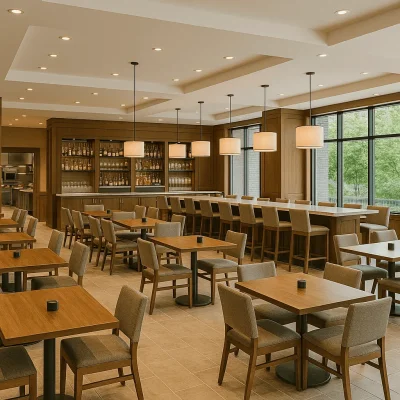
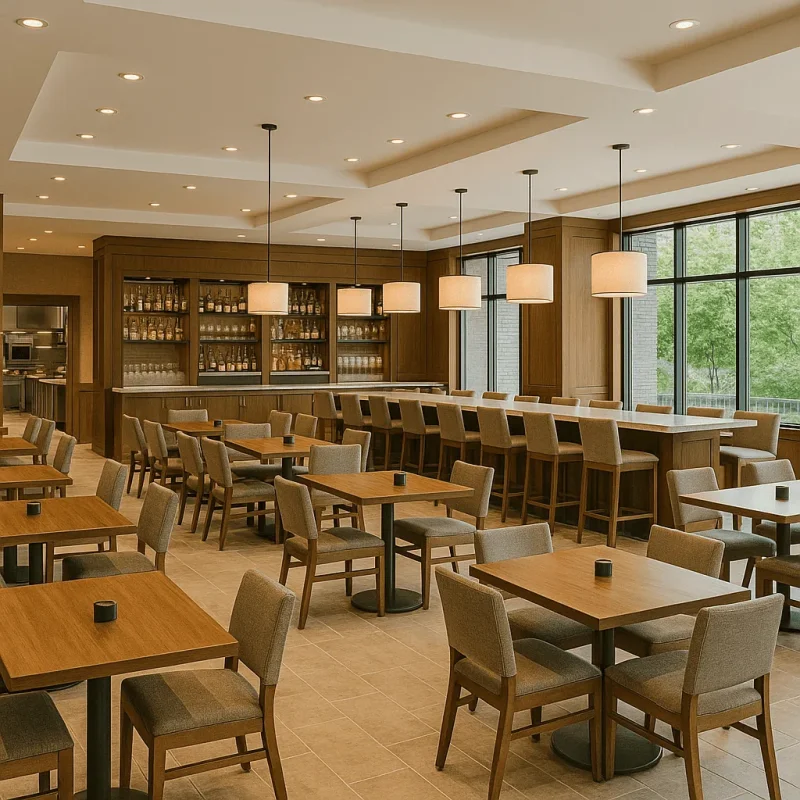
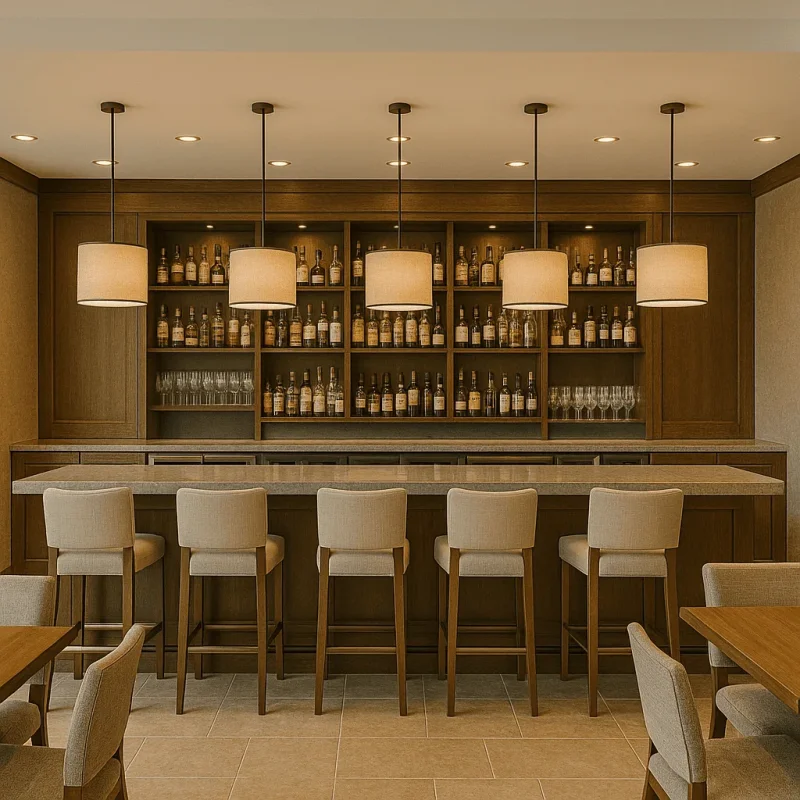
1. Concept and Design: Develop a concept that reflects the hotel's identity while catering to the dining needs of its guests. Engage with architects and designers who specialize in restaurant interiors to create an environment that is both functional and visually appealing.
2. Permits and Regulations: Understand the specific requirements for obtaining necessary permits from the City of Seattle. Compliance with local health regulations, safety codes, and accessibility standards is paramount to ensuring a successful project.
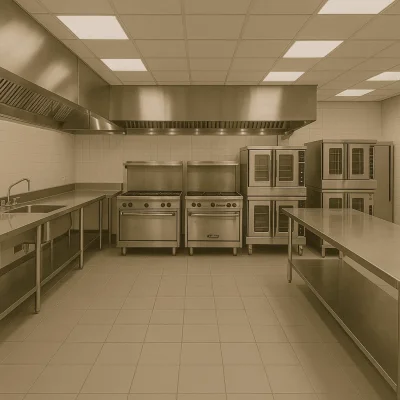
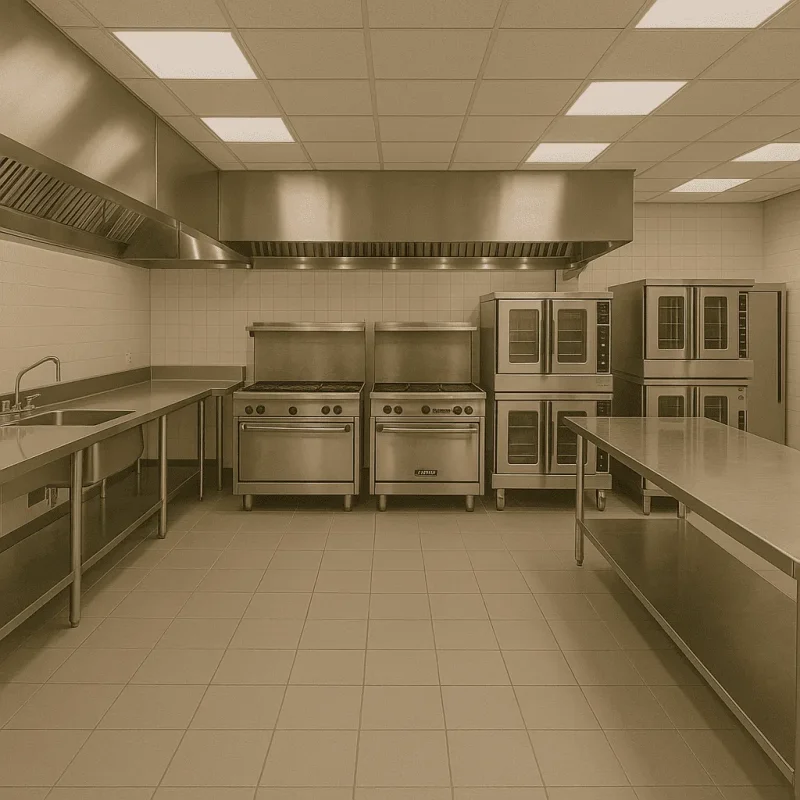
3. Infrastructure: Assess the existing infrastructure of the hotel. This includes evaluating plumbing, electrical systems, and ventilation needs that accommodate a commercial kitchen.
4. Timeline and Budget: Establish a realistic timeline for your construction or remodeling project. Consider the complexity of the renovations and factor in any potential delays associated with permits or inspections. A well-planned budget should encompass construction costs, design fees, and unforeseen expenses.
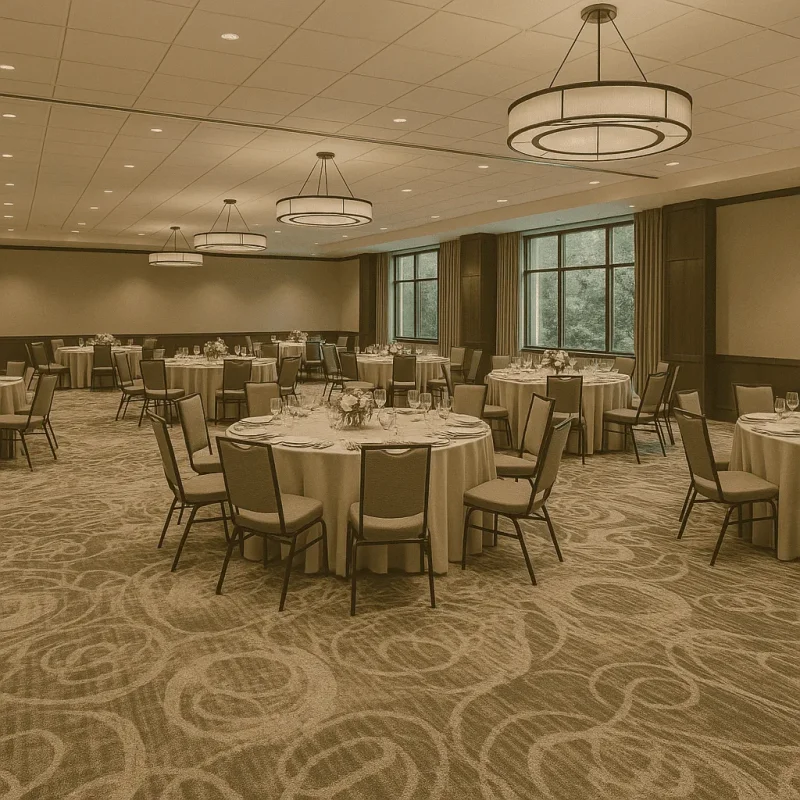
The benefits of a well-designed hotel restaurant are substantial. A prominent dining venue can enhance the hotel’s appeal, attract outside guests, and lead to increased occupancy rates. Furthermore, a thoughtfully executed design can create a unique ambiance that encourages repeat visits, not just for meals but for special events and gatherings as well.
Some common challenges to anticipate during the remodeling process include coordinating workflows to minimize disruption to hotel guests, meeting deadlines in a competitive market, and sourcing materials that align with both budget and design aesthetics. Communicating openly with your construction team can help mitigate these challenges.
Customers often have specific concerns regarding the remodeling process. Transparency is key. You can expect regular updates on progress, clear timelines for various phases of construction, and dialogue about any changes that may arise. Your construction team should be responsive to your needs and willing to accommodate changes as necessary while keeping you informed of any additional costs that may occur.
In summary, the construction and remodeling of hotel restaurants in Seattle involve a multifaceted approach that balances creativity with regulatory compliance. By partnering with experienced professionals who are familiar with local challenges, you can create a dining experience that elevates your hotel’s offerings and provides patrons with a memorable culinary journey. As you embark on this endeavor, prioritize thoughtful planning, open communication, and a commitment to quality to make your vision a reality within the dynamic landscape of Seattle's hospitality scene.