


Ice & Water Shield Roofing Installation in Tacoma, WA
When it comes to protecting your home from the harsh elements, utilizing an effective roofing system is essential. In Tacoma, Washington, ice and water shield roofing installation has become a vital component of roofing projects. This specialized product is designed to safeguard roofs from leaks caused by ice dams and heavy rain, making it a popular choice for homeowners in the region.
Understanding Ice & Water Shield
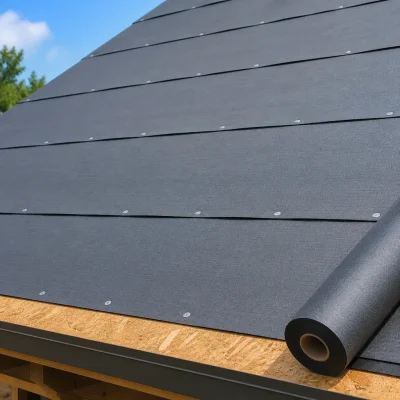
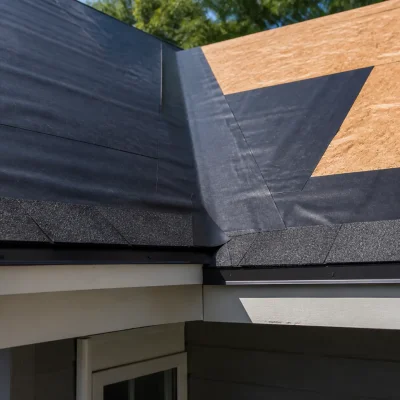
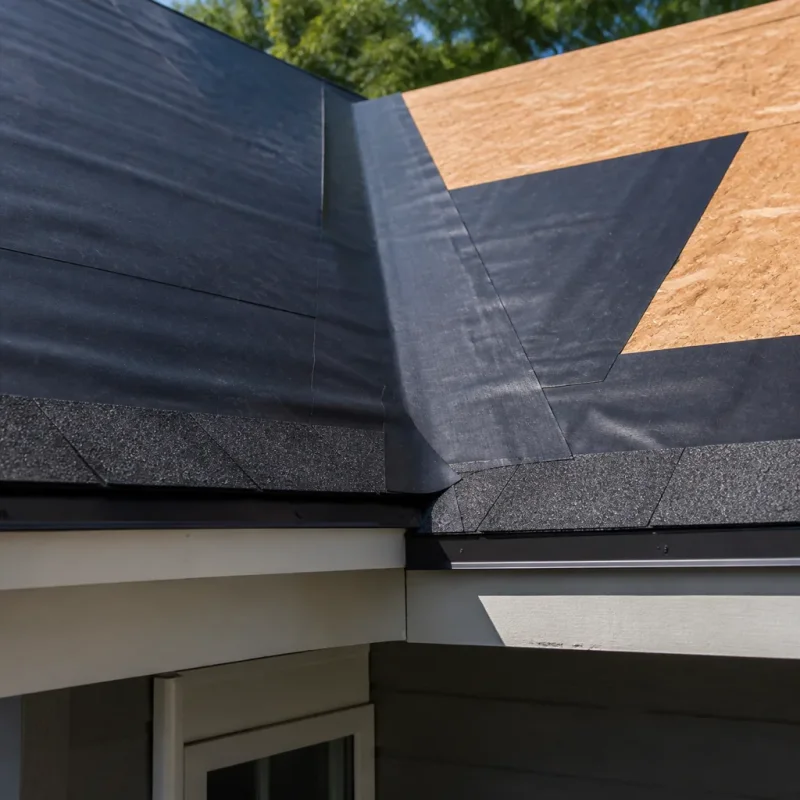
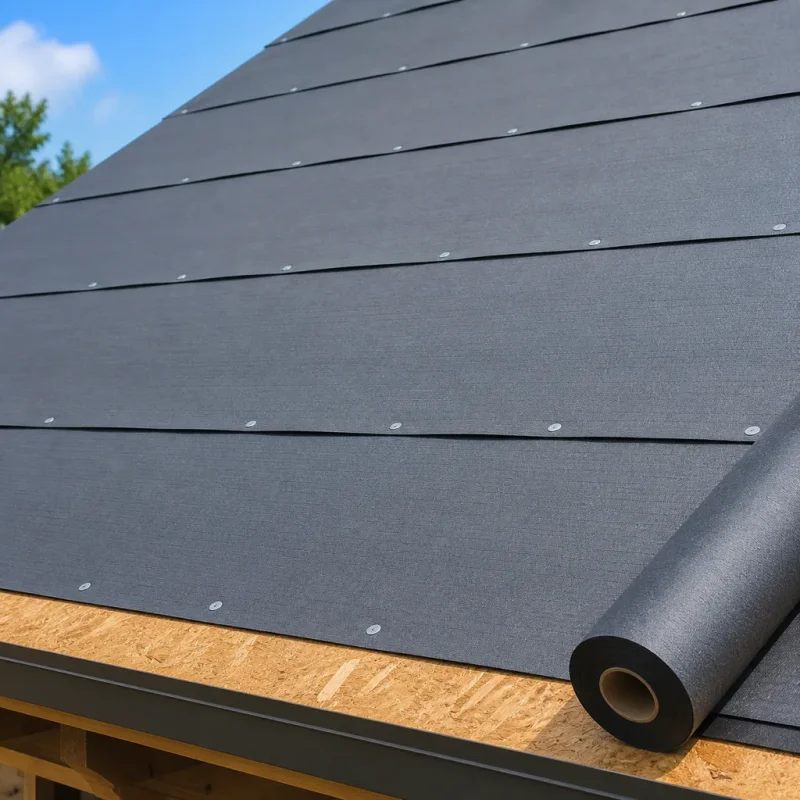
Ice and water shield is a self-adhering membrane that is installed beneath roofing materials, creating an extra layer of protection for your home. This product is particularly important for areas prone to wet weather, as it effectively seals around roof penetrations and vulnerable areas such as valleys and eaves. Tacoma homes, particularly in neighborhoods like Proctor and Old Town, can benefit significantly from this roofing solution, especially given the unique architectural styles of older homes where traditional flashing may not be as reliable.
Benefits of Ice & Water Shield Installation
- Enhanced Protection: The primary benefit of ice and water shield is its ability to prevent water infiltration, protecting your home from mold and structural damage.
- Increased Lifespan of Roofing Materials: By providing an extra barrier, ice and water shields can extend the life of your roofing materials, saving you money in the long run.
- Improved Energy Efficiency: A watertight roof can help maintain indoor temperatures, potentially reducing heating and cooling costs.
For homes in Tacoma, the installation of ice and water shield is particularly important because of the region's combination of older residential structures and varying building codes. Understanding these aspects can help in making informed choices about your roofing system.
Installation Process and Considerations
Installing an ice and water shield involves a multi-step process. Usually, the installation begins once your old roofing material has been removed. The surface is then prepared to ensure proper adhesion of the membrane. Here's what you can generally expect:
- Inspection: A thorough inspection of the roof deck and underlying structure.
- Preparation: Repair or replace any damaged areas of the roof before installation begins.
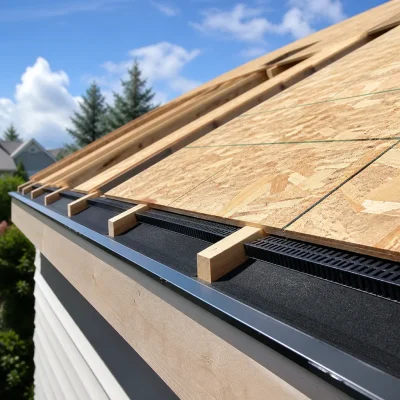
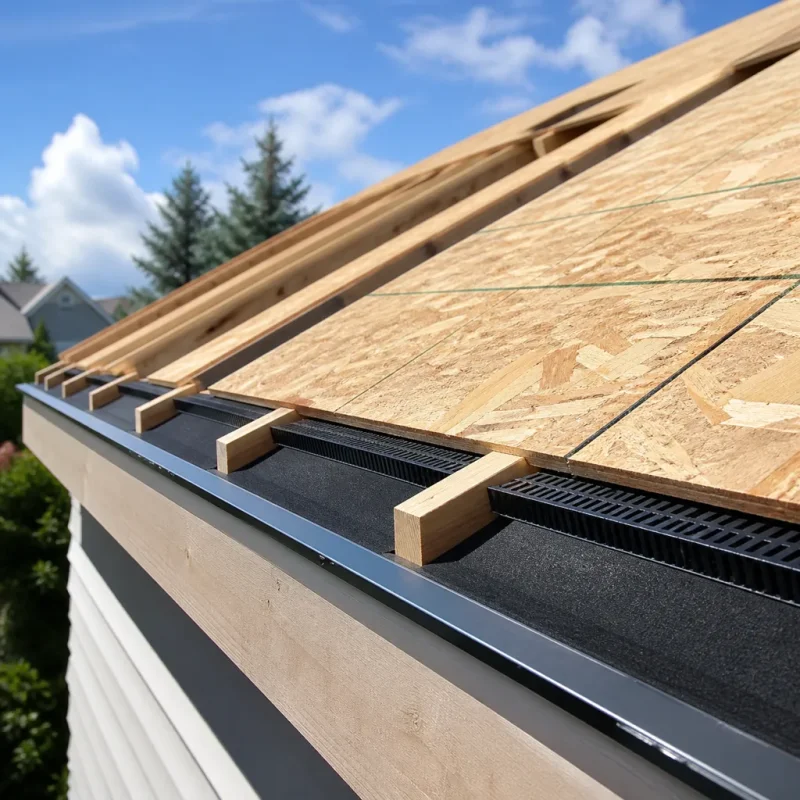
- Application: The ice and water shield is applied in specific locations, particularly along eaves, valleys, chimneys, and around vents.
- Final Installation: After the shield is in place, traditional roofing materials are installed on top, ensuring that the roof is entirely sealed.
Local regulations in Tacoma may require permits or specific installation techniques, so it’s crucial to work with a reputable roofing contractor who knows the area well. Ensuring proper installation while adhering to local codes can prevent future complications.
Addressing Common Challenges and Concerns
Homeowners often have questions and concerns about the installation process, particularly regarding lifespan, cost, and maintenance. Many Tacoma homeowners seek information on the longevity of ice and water shields, which can last between 10 to 20 years, depending on the product and installation quality. It’s also common to wonder about the costs involved, which can vary based on the size of the roof and the complexity of the installation. Engaging with a licensed professional can provide a more accurate estimate.
Maintenance is generally minimal since the ice and water shield is designed to work seamlessly with your existing roofing system. Regular roof inspections can help ensure that everything remains in good condition and identify any issues before they escalate.
Conclusion
Installing an ice and water shield in your Tacoma home is an investment in the longevity and safety of your roofing system. By understanding the benefits, installation process, and ongoing care needed, you can make an informed decision that protects your home for years to come. As you navigate the construction and remodeling landscape in Tacoma, incorporating this specialized roofing technique can significantly enhance your home’s resilience against the elements.