


Outdoor Classroom Construction in Tacoma, WA
Creating an engaging outdoor classroom can significantly enhance the educational experience for students and teachers alike. In Tacoma, Washington, the concept of outdoor learning spaces is gaining popularity as schools and community organizations realize the benefits of utilizing nature as a classroom. Outdoor classrooms not only foster creativity and collaboration among students, but they also encourage a deeper connection with the environment. Whether you are looking to build a simple garden space or a fully equipped learning area, understanding the outdoor classroom construction process is essential to ensuring a successful project.
The Process of Outdoor Classroom Construction
When planning an outdoor classroom, the construction process typically involves several key phases. First, an initial consultation is required to assess the available space and discuss the vision for the project. This phase may also include identifying the primary objectives of your outdoor classroom, whether you aim to facilitate hands-on learning, encourage exploration, or foster teamwork.
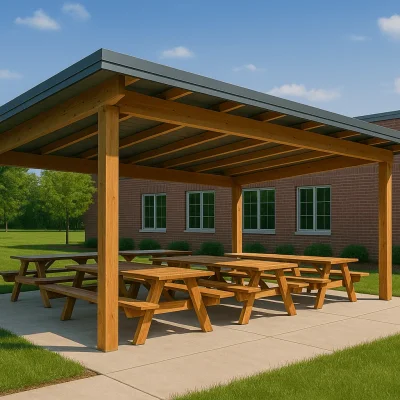
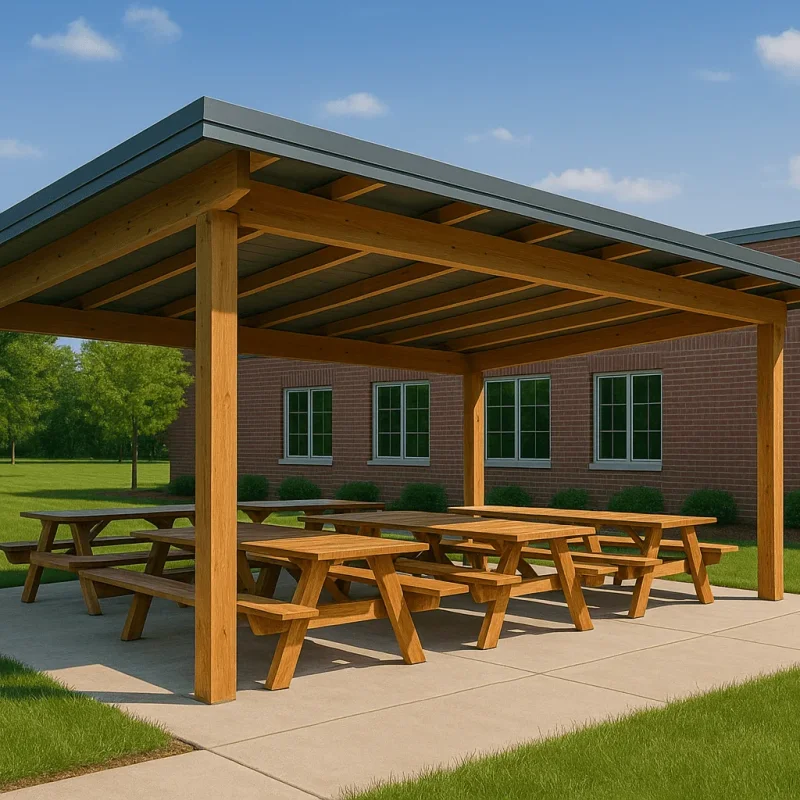
After conceptual discussions, the next step involves designing the space. Collaborating with landscape architects and educators can help create a blueprint that maximizes functionality while considering natural elements. Essential elements may include seating areas, pathways, and diverse vegetation to facilitate various teaching methods.
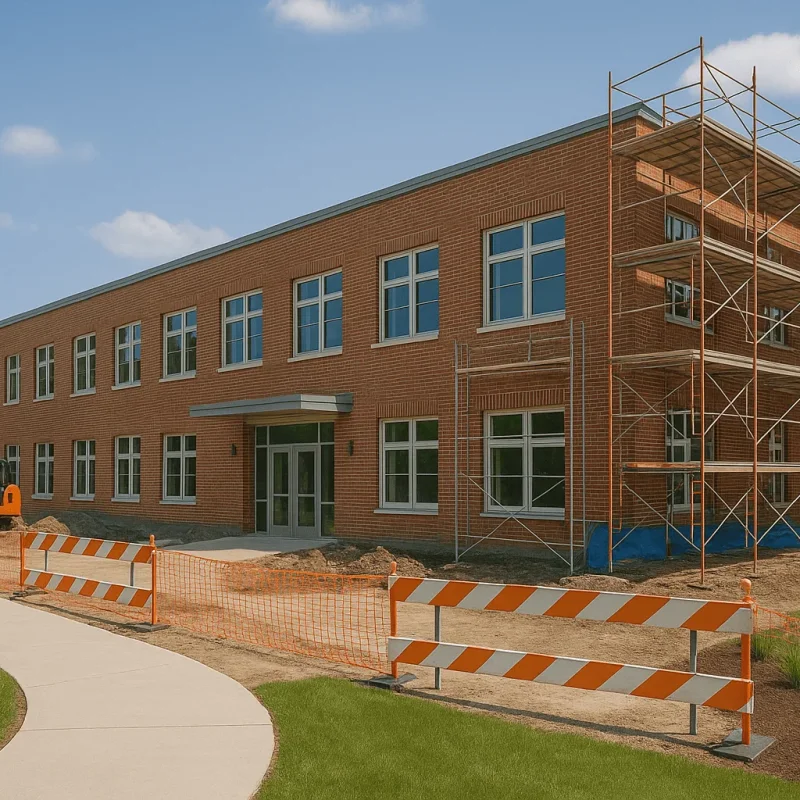
Once the design plans are approved, the construction phase begins. Local regulations in Tacoma must be adhered to, especially regarding land use and site modifications. Engaging professionals with experience in local building codes will ensure compliance and a smoother construction process. Typical materials used in the construction of outdoor classrooms include wood, stone, and sustainable resources, which align well with Tacoma’s commitment to environmentally friendly practices.
Benefits of Outdoor Classrooms
Outdoor classrooms offer numerous advantages for schools and communities in Tacoma. Some benefits include:
- Enhanced Learning Opportunities: Studies have shown that outdoor learning promotes better retention of information and boosts engagement.
- Improved Social Skills: Collaborative projects conducted in an outdoor setting often foster teamwork and social interaction among students.
- Promoted Well-Being: Time spent in nature can lead to decreased stress levels, helping students to focus better on their studies.
- Hands-On Experience: Outdoor classrooms provide opportunities for experiential learning, particularly in science and environmental education.
Common Challenges for Outdoor Classroom Construction in Tacoma
While constructing an outdoor classroom can be rewarding, several challenges may arise specific to the Tacoma area. One common issue is the selection of appropriate sites. Neighborhoods near Puget Sound, such as Point Defiance or North End, may face site-specific challenges such as soil composition and drainage issues. Correctly addressing these factors during the design and construction phases is crucial for sustainability.
Another challenge is securing funding for the project. Schools and organizations often rely on grants, community support, and fundraising initiatives to finance the construction. Proper planning and budgeting are key to achieving the desired results without unforeseen expenses.
Expectations and Considerations
When embarking on an outdoor classroom construction project, clear expectations must be set. On average, project timelines can vary based on the size and complexity of the space, ranging from a few weeks to several months. During this time, it's essential to maintain open communication with contractors and stakeholders to ensure that the project stays on track. Additionally, after construction is completed, upkeep and maintenance are critical to ensuring that the learning environment remains inviting and functional.
In conclusion, outdoor classroom construction in Tacoma is an exciting opportunity to enrich the educational landscape. By understanding the process, benefits, challenges, and expectations associated with building outdoor learning spaces, schools and community organizations can create dynamic environments that promote growth, creativity, and interaction with nature. As such projects evolve, they will undoubtedly contribute to the well-being and development of students while fostering a sense of responsibility toward the environment.